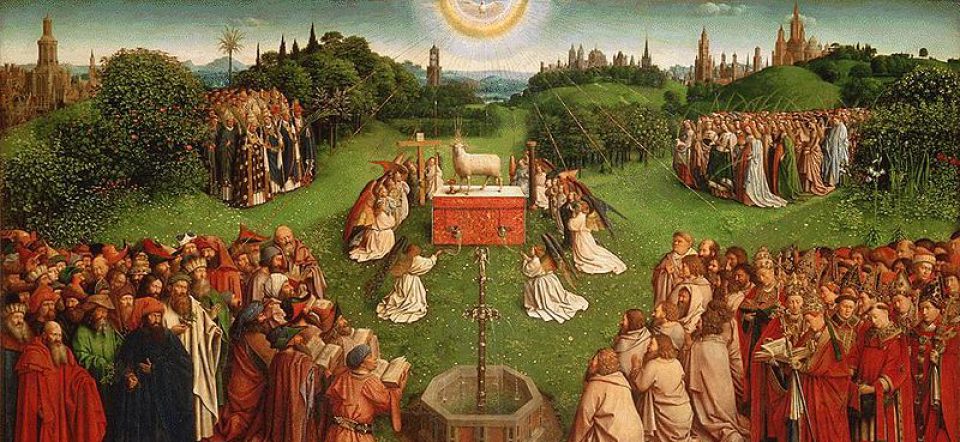
The Shared Core
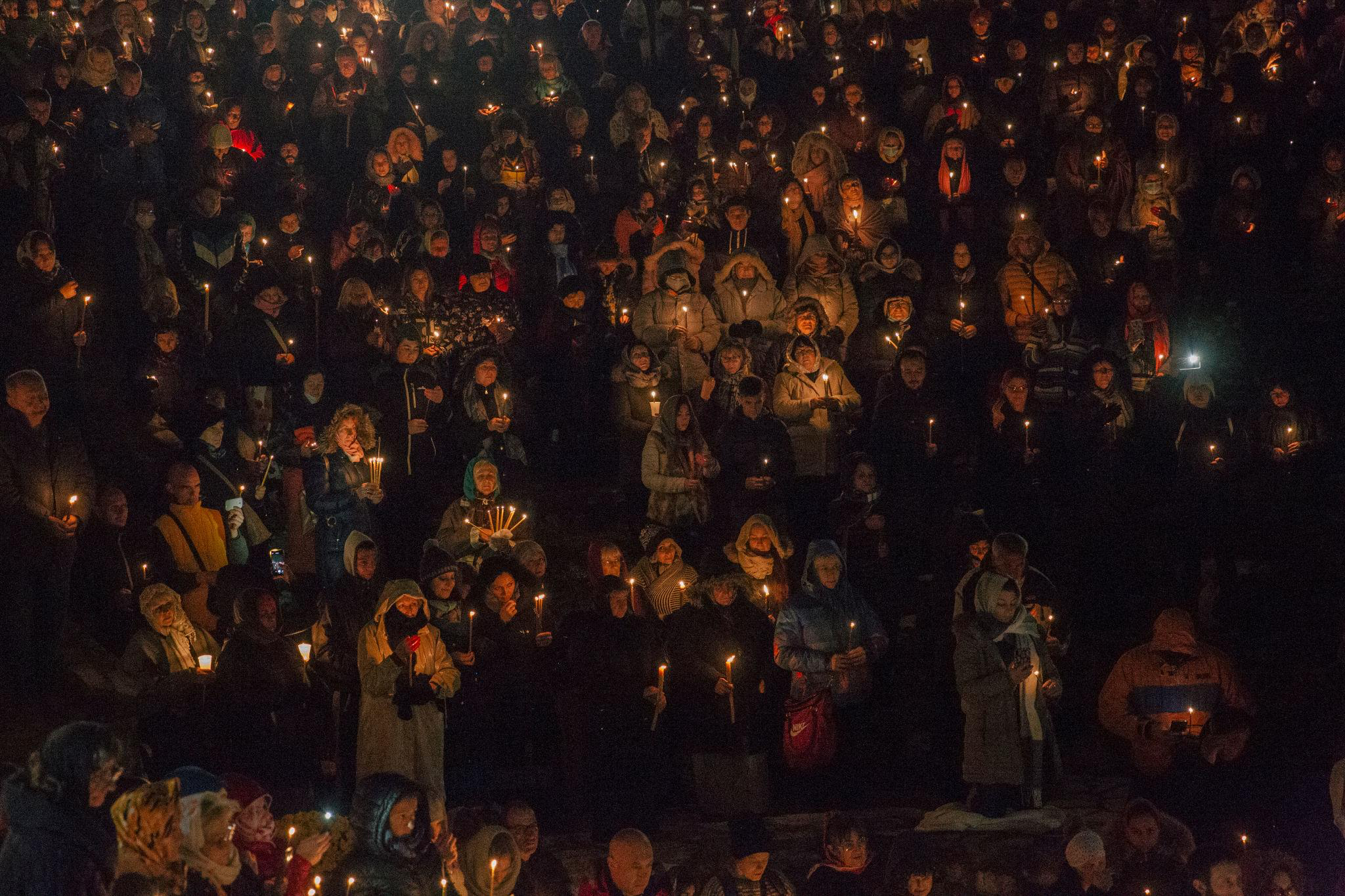
Today, Easter is being celebrated across the Orthodox world. In Philadelphia, that means places like St. Philip Orthodox Church (below) are marking Easter today, following the Orthodox calendar, while nearby Catholic Churches have already celebrated. (one week earlier)
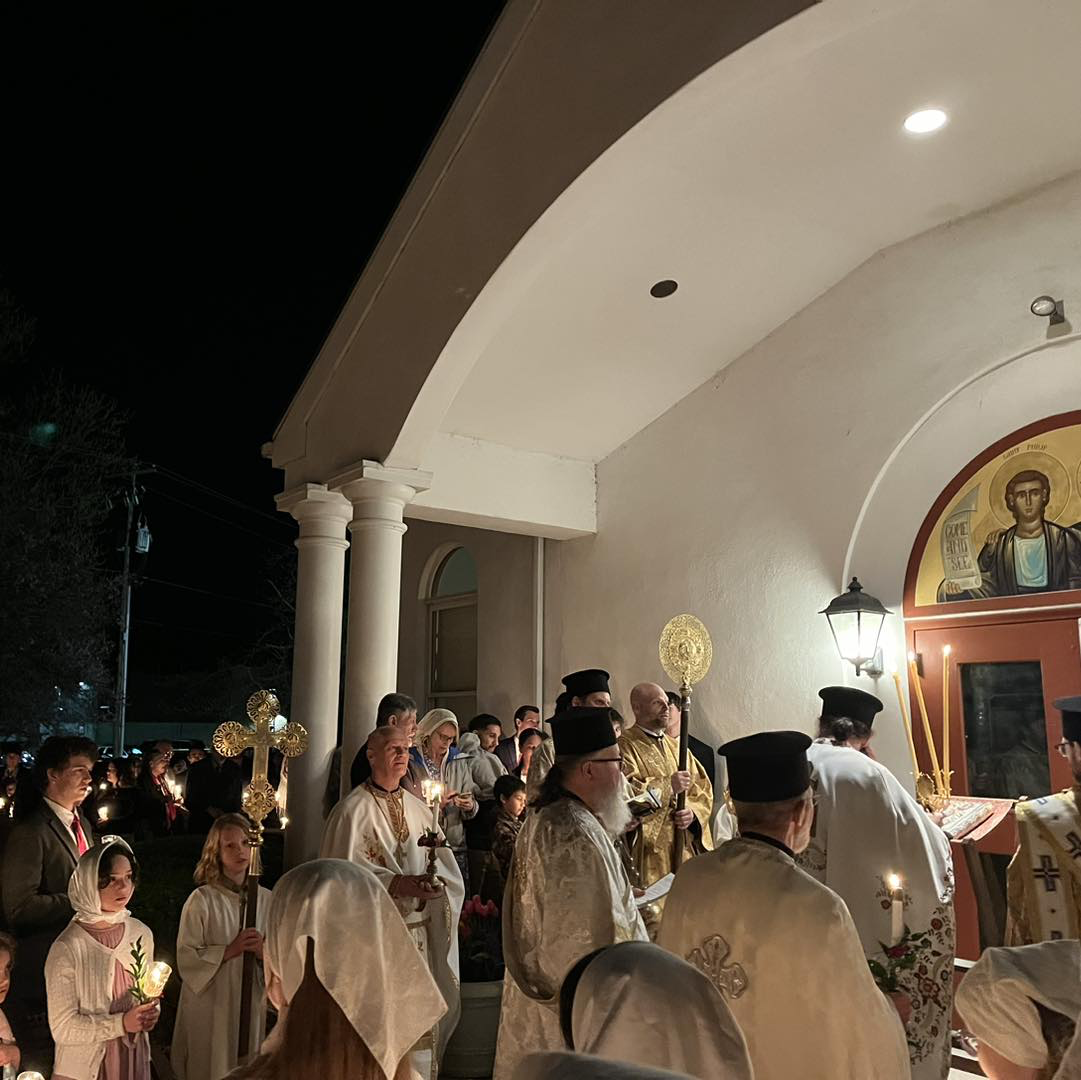
The difference is not in belief but in expression. What many people are familiar with is the Western style of Easter, seen in Roman Catholic, where the service is structured, direct, and centered on spoken liturgy and music.
What is being observed today follows the Eastern, or Byzantine, tradition. The service is shaped more by atmosphere than explanation, with candles, icons, and chant guiding the experience. It unfolds more slowly and deliberately, drawing attention to the movement from darkness into light. Both traditions point to the same event. The Resurrection does not change, only the way it is experienced.
Why the Dates Differ

The difference in timing comes down to the calendar. Western churches follow the Gregorian calendar, introduced in the sixteenth century, while the Orthodox Church continues to calculate Easter based on the older Julian system. Both traditions use the same underlying principle, placing Easter on the first Sunday after the first full moon following the spring equinox. Because the calendars are not aligned, the dates often fall on different Sundays.
This is why a church like St. Philip Orthodox Church is celebrating Easter today, while churches following the Western calendar observed it earlier.
There is no disagreement about the meaning of Easter itself. The difference is simply in how the date is determined.
The Experience — Darkness and Light
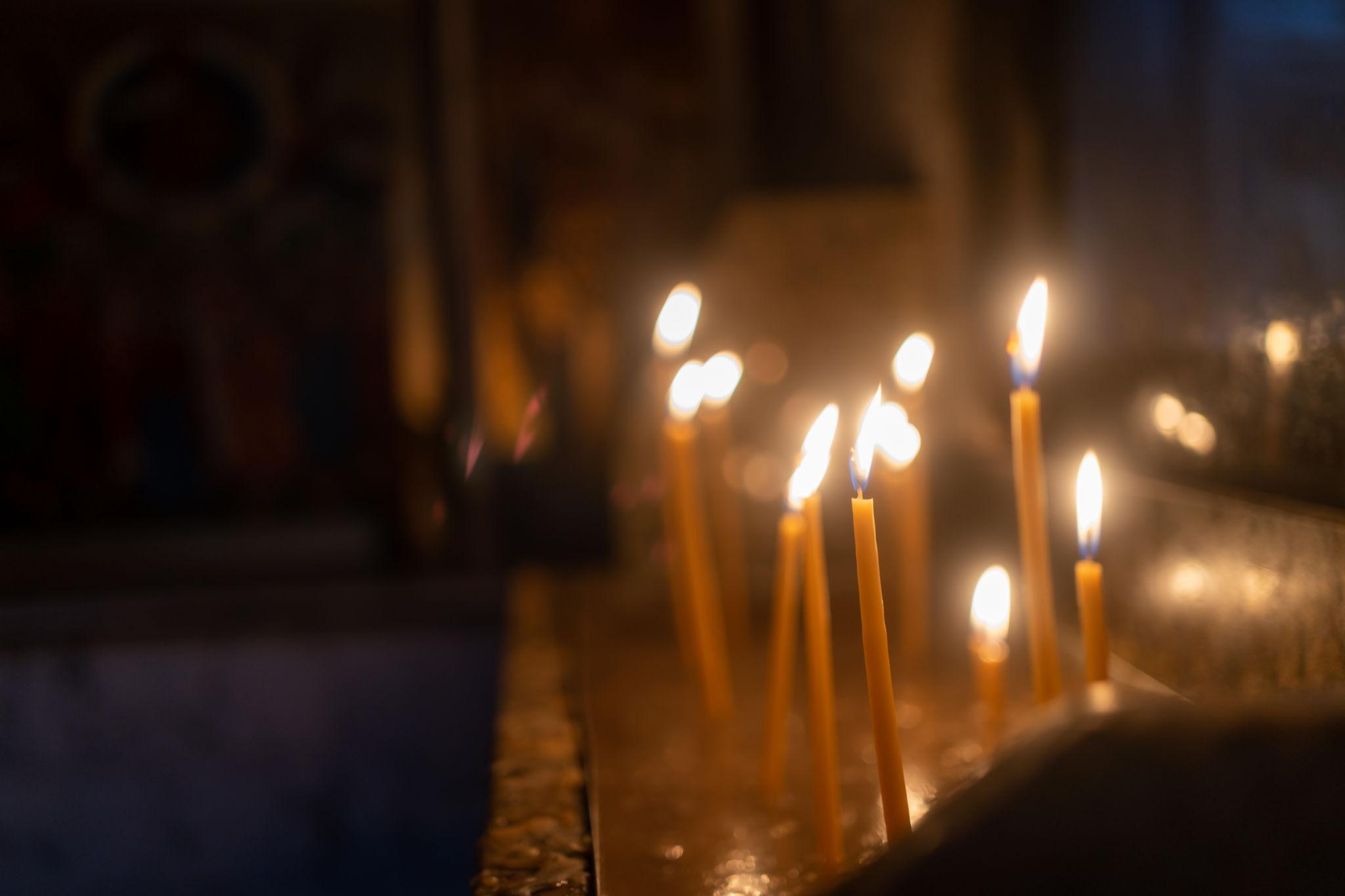
The contrast becomes more noticeable when looking at how the service is experienced. In the Eastern tradition, Easter often begins in darkness. A single flame is introduced and gradually shared throughout the congregation until the entire space is filled with light. At midnight, the proclamation of the Resurrection is made, and the service shifts in tone.
This movement from darkness into light is not just symbolic but physical and immediate. The experience relies less on explanation and more on participation, allowing the meaning to emerge through what is seen and heard.
A Local Thread — Mont Clare to Philadelphia
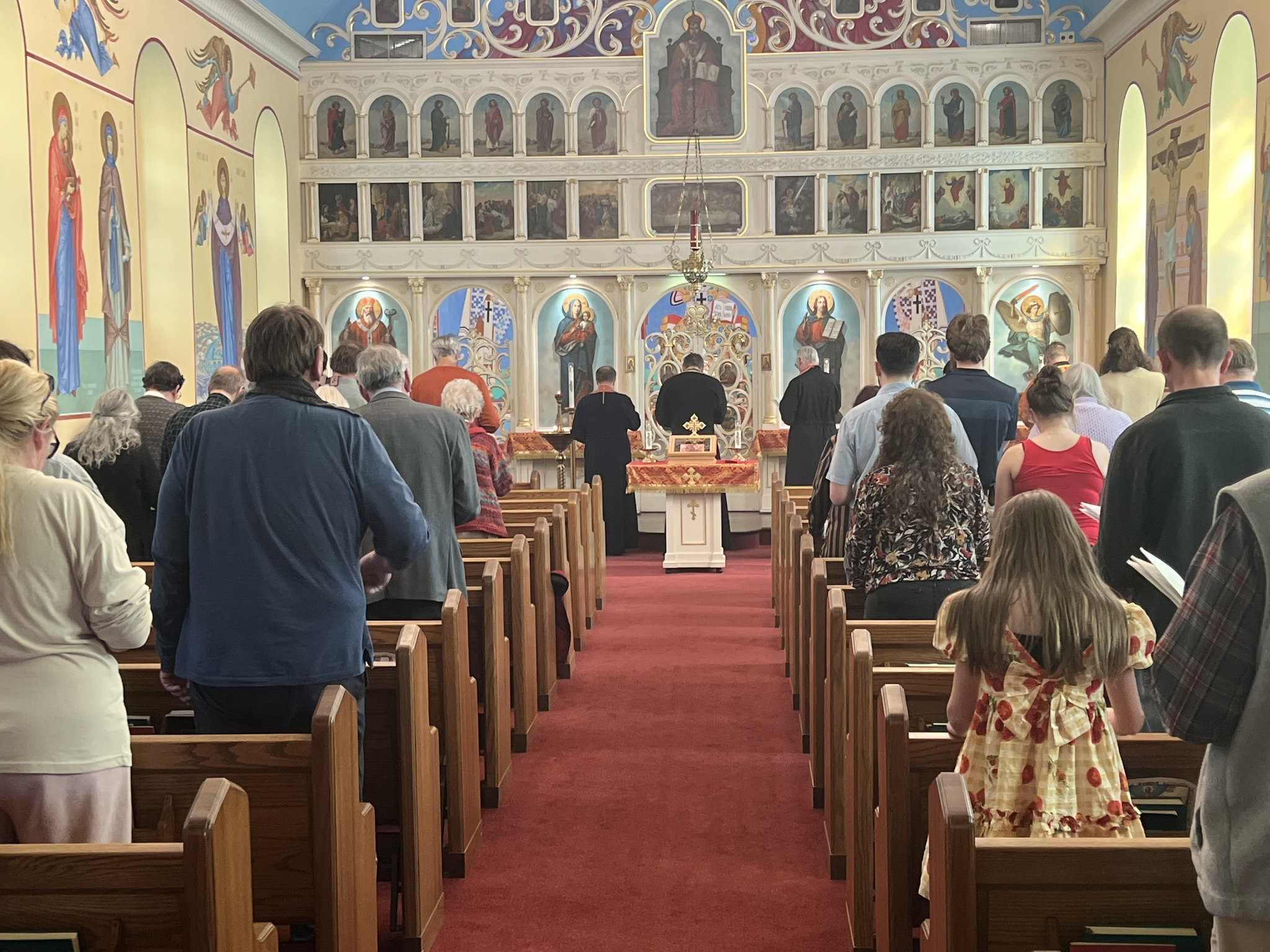
That same Eastern rhythm can be seen close to home. By “Eastern rhythm,” I am referring to the Byzantine style of worship, shaped by icons, candlelight, chant, a slower pace, and traditions such as the blessing of Easter baskets. That same pattern can be seen at St. Michael’s in Mont Clare and at the Ukrainian Catholic Cathedral in Philadelphia. Although both are Byzantine Catholic rather than Orthodox, they share the same liturgical tradition and closely resemble Orthodox services in both appearance and experience.
Not far away in Philadelphia, at the Ukrainian Catholic Cathedral of the Immaculate Conception, the same traditions are observed on a larger scale. The cathedral’s size and the number of people gathered give the service a fuller sound and presence, but the structure and meaning remain the same.
Both of these churches are Byzantine Catholic. They are part of the Catholic Church, yet they worship according to the Eastern tradition. This is what creates the connection to the Orthodox celebration taking place today. What is seen in Mont Clare and Philadelphia is the Eastern expression of Easter, distinct from the Western style but closely aligned with the broader Orthodox world.

One Faith, Different Expressions
The differences between Eastern and Western traditions are easy to notice, but they do not point to different beliefs. Instead, they reflect different ways of approaching the same event. The Western tradition presents Easter in a more direct and structured form, while the Eastern tradition allows it to unfold through imagery, light, and movement.
Both approaches lead to the same place. The Resurrection is not divided by calendar or tradition. It is simply encountered through different forms.
Final Reflection
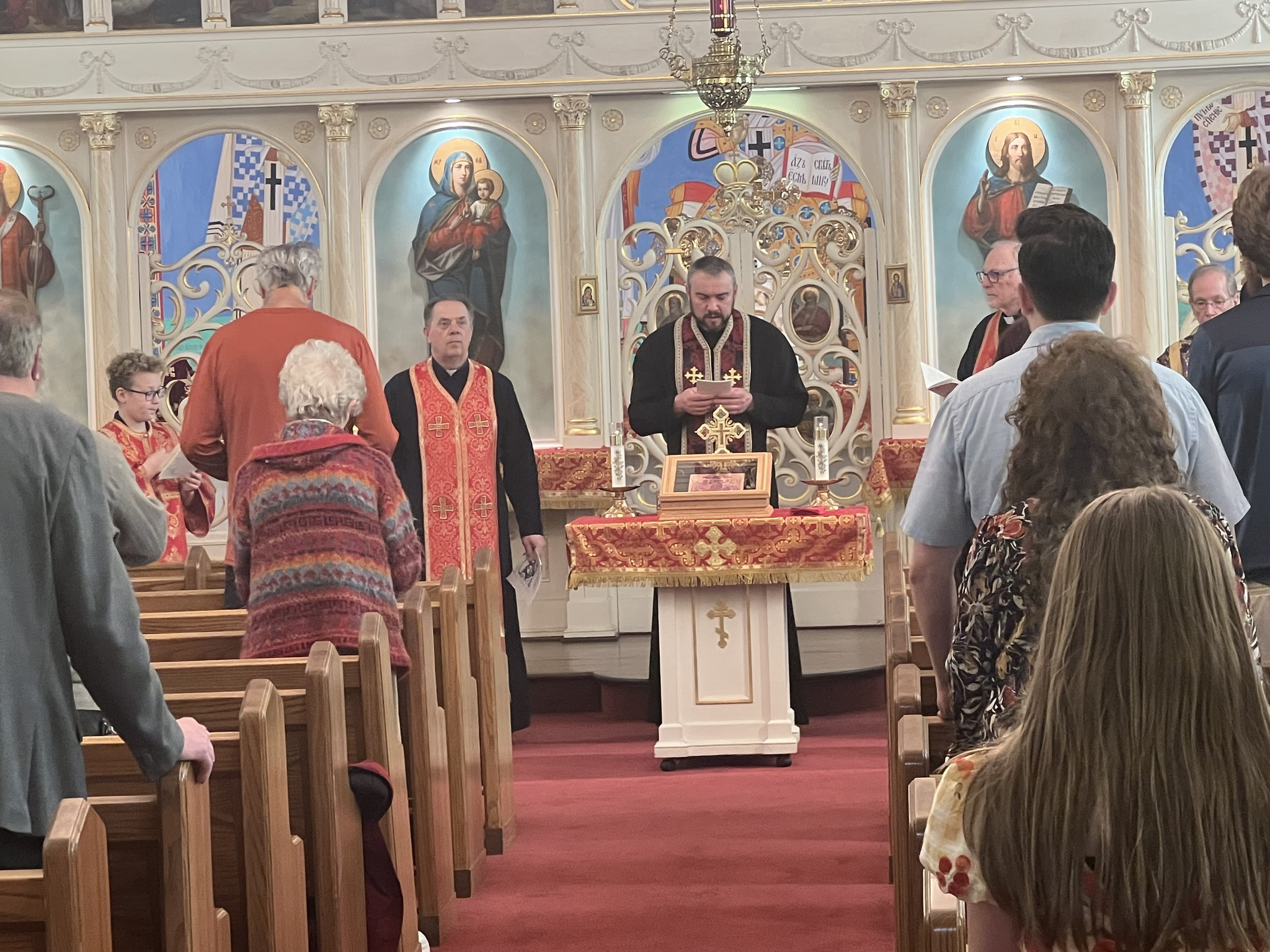
Seeing both within the same region makes it clear that these differences are not contradictions, but expressions of the same reality. Whether observed earlier in a Western church or today in an Eastern Orthodox setting such as St. Philip Orthodox Church, the same moment is being marked.
Having attended a service at St. Michael’s Byzantine Catholic Church, I came away with the sense that God listens to the prayers of the faithful. It is a quiet, grounded place, and for someone seeking healing, it feels like a natural place to begin.
In the end, the form may change, but the meaning does not. Christ is risen!

