Tags
Basilica Shrine of Our Lady of the Miraculous Medal, hymns, Miraculous Medal Shrine, music, St. Vincent de Paul
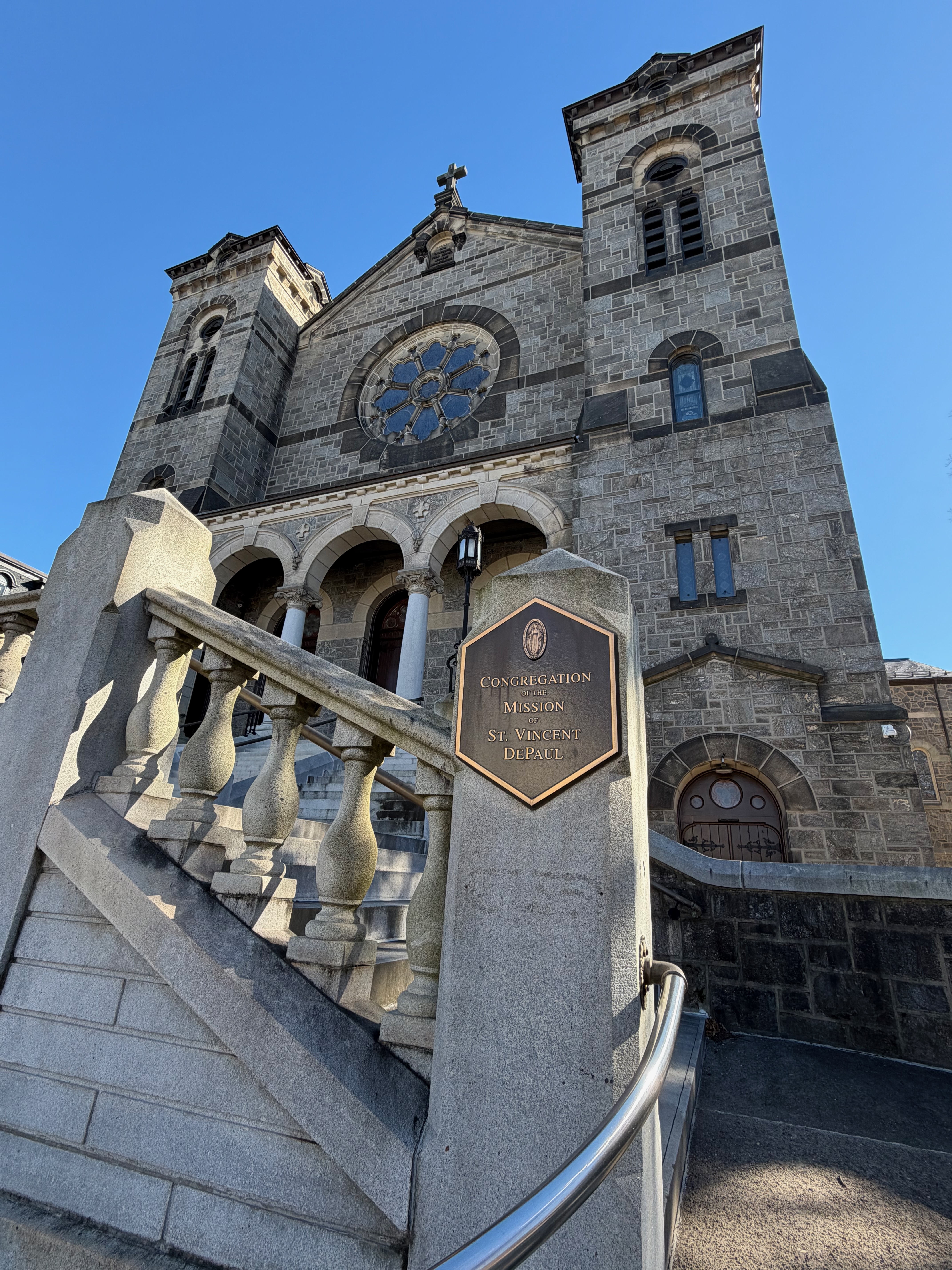
Basilica Shrine of Our Lady of the Miraculous Medal
Friday, November 20, 2026
God is Within
Today marks the fifth day of the nine-day Solemn Novena at the Basilica Shrine of Our Lady of the Miraculous Medal. The homilist was Fr. Charles Krieg, CM, whose theme was “The Practice and Presence of God.” The initials CM stand for Congregatio Missionis (Congregation of the Mission), commonly known as the Vincentians.
One expression from his homily that stayed with me was “God is within.” These words bring to mind a Scripture passage:
“Do you not know that you are the temple of God, and that the Spirit of God dwells in you?” — 1 Corinthians 3:16
This passage remind me that God’s presence is within us and how we express that presence through prayer, love and Christian service.
The life of St. Catherine Labouré offers an example of this spiritual practice through her humility, perseverance, devotion to the Blessed Mother.
St. Catherine Labouré — A Mission Entrusted by Mary
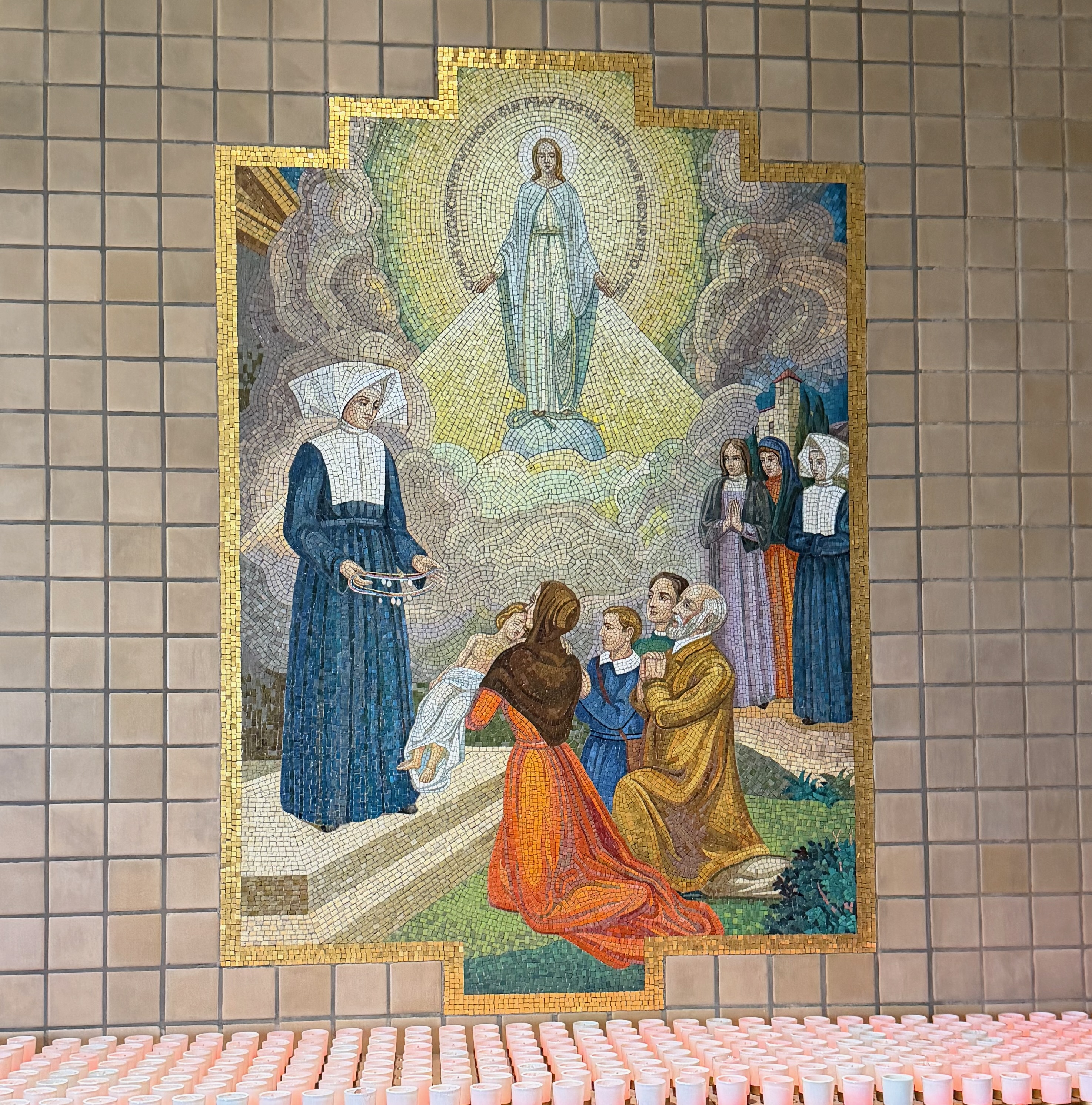
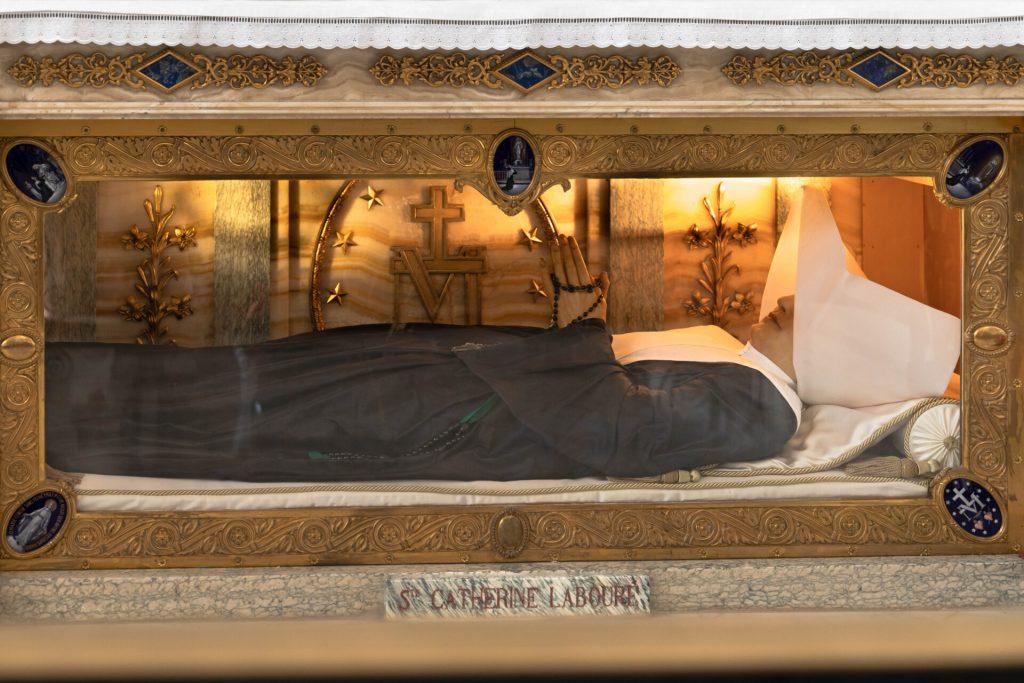
Following the apparitions of the Blessed Virgin Mary in 1830, St. Catherine Labouré faced the challenge of convincing her confessor and spiritual director, Fr. Jean-Marie Aladel, CM, to fulfill Our Lady’s request to have a medal struck.
Father Aladel was initially skeptical, attributing Catherine’s visions to the religious imagination of a young novice. He encouraged her to practice the virtues of the Blessed Mother. Catherine remained obedient to her spiritual director while persevering in the mission entrusted to her by Mary.
The First Miraculous Medals
Nearly nineteen months passed between the November 1830 apparition and the production of the first medals. During this period, Catherine continued to communicate Our Lady’s wishes to Father Aladel while carrying out her daily responsibilities as a Daughter of Charity.
Father Aladel eventually consulted his Vincentian superior and received permission from the Archbishop of Paris, Hyacinthe-Louis de Quélen, to have the medal produced.
On June 30, 1832, the first 2,000 medals were delivered. Their distribution coincided with a cholera epidemic in Paris, during which the Daughters of Charity shared the medals with those in their care.
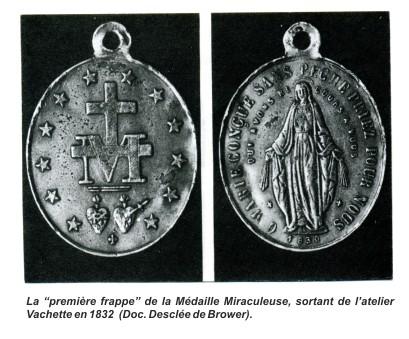
The Origin of the Name Miraculous Medal
Originally known as the Medal of Our Lady of Grace, the medal soon became associated with numerous accounts of healings, conversions and answered prayers.
As these accounts spread, the faithful themselves began referring to it as the Miraculous Medal. The name emerged naturally from popular devotion and gratitude for the spiritual favors attributed to Mary’s intercession.
Forty-Six Years of Humble Service
One of the most remarkable aspects of Catherine’s life was her humility. For 46 years following the apparitions, she largely kept her identity as the visionary a secret while the Miraculous Medal became known throughout the world.
She spent much of her religious life at the Hospice d’Enghien in Paris, caring for elderly and infirm men as a Daughter of Charity.
At the request of her spiritual directors, Catherine put her recollections of the apparitions into writing in 1841, 1856 and again in 1876. Her written testimony has been preserved in Vincentian historical records, providing a personal account of the extraordinary events of 1830.
Shortly before her death in 1876, Catherine disclosed her secret directly to her religious superior, Sister Jeanne Dufès.
A Continuing Mission
When Father Aladel presented Catherine with one of the first Miraculous Medals in 1832, her response was reportedly simple and purposeful:
Now it must be propagated.
These words take on special meaning for me following the discussion at our Legion of Mary meeting, which I described in my Day 4 entry. Nearly two centuries later, the distribution of the Miraculous Medal and its accompanying prayers continues to be a means of evangelization, spreading devotion to the Blessed Mother and drawing others closer to her Son, Jesus Christ.
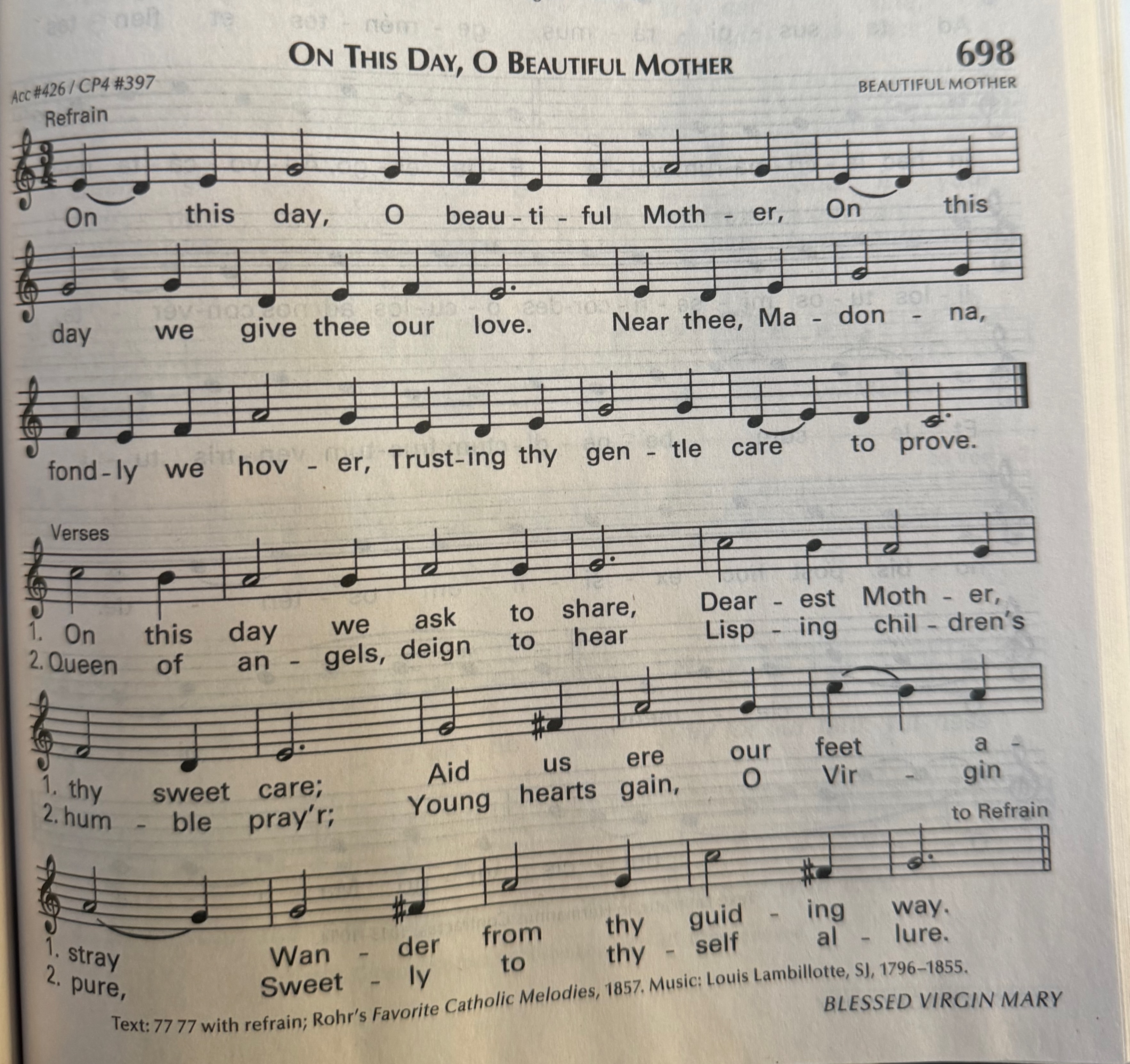
Marian Hymn — On this Day, O Beautiful Mother
Day 5 Novena and Mass Livestream
This special livestream features Day 5 of the 2026 Solemn Novena and Mass from the Basilica Shrine of Our Lady of the Miraculous Medal in Philadelphia.
For those who wear it with confidence there will be abundant graces.
— Words of Our Lady to St. Catherine Labouré, November 27, 1830.
Sources

