• Shrines of Philadelphia
    • St. Katharine Drexel
    • Miraculous Medal
    • St. John Neumann
    • St. Rita of Cascia
    • Our Lady of Czestochowa
    • St. Gianna Molla
  • Sacred Places
  • Art, Film, Poetry
  • Saints
  • Music
  • Services

Shrine Tower

~ Saints, Shrines and Sacred Places

Shrine Tower

Category Archives: Saints

Ignatius of Loyola – Feast Day, Founder of Jesuits; Pope Francis religious order

31 Wednesday Jul 2013

Posted by Brian in Parish Shrines, Saints

≈ 1 Comment

Tags

Old St. Joes, saints, St. Ignatius of Loyola

Ignatius pic monkey
St. Ignatius Of Loyola (Author rendition).

“The goal of Ignatian prayer and ministry is not to find God but to allow God to find you”

The leading Jesuit voice in Philadelphia is at Old St. Joe’s with Father Duff Society of Jesus (SJ) presiding. The emphasis is certainly on the Jesuits today, from Pope Francis (a Jesuit) and his exuberance recently displayed from the World Youth Day in Rio, to James Martin SJ of America Magazine author of the famous book My Life With the Saints. And of course, it all started with the founder of the Jesuits, the great Ignatius of Loyola, whose feast is celebrated today.

DSC_0133
Entrance at Old St. Joseph’s National Shrine, Philadelphia PA

From Paul Coutinho, S.J.:

Ignatius is one of those Great Seers (Rishis) who attained Enlightenment (Satori in Zen Buddhism) on the banks of the river Cardoner. It was here that ““the eyes of his understanding began to be opened, not that he saw any vision, but he understood and learnt many things, both spiritual and earthly and this was so great an enlightenment that everything seemed new to him”” (Aut 30). From this moment on Ignatius was convinced that ““if there were no Scriptures to teach us these things of faith, he would be resolved to die for them, solely because of what he has seen”” (Aut 29). Ignatius found his own secret religion that helped him to scale mystical heights and also led him into constant conflict with people in power and institutions of his time.

We know that the Ignatian mysticism of service is nothing if not a deepening of our union and communion with the Divine. It is not so much doing things for God but it is a being in the Divine. Ignatian gazing or seeing is a spiritual method and exercise of contemplation where we open ourselves to what we contemplate and allow what we contemplate to seep into our hearts, filling us and transforming us into the mystery that we contemplate. Ignatius spent hours of his life gazing at the sky and through his contemplation would be moved to serve the Divine Majesty. ““It was his greatest consolation to gaze upon the heavens and the stars, which he often did, and for long stretches at a time, because when doing so he felt within himself a powerful urge to be serving Our Lord.”” (Aut 11).

What is Ignatius trying to tell us? If we have not shared our experiences of God with someone in one way or another, then we have lost them. But when we take the opportunity to share our experiences with someone, we will be confirmed and grow in those experiences.

Above excerpts from:
NUMBER 116 – Review of Ignatian Spirituality
IGNATIUS, AN ANCIENT SAGE WITH ETERNAL WISDOM, Paul Coutinho, S.J.
Editor: “IGNIS” Ignatian Spirituality, South Asia Gujarat, India

montserrat

From Brian O’Leary, SJ:

Ignatius chose to live with the tension between accepting both the validity of inner experience and the authority of the Church.

From his conversion onwards the element of movement played a central part in the spirituality of Ignatius. At Loyola he noticed how different spirits moved him and through this he learned the rudiments of discernment. When later he offered descriptive descriptions of consolation and desolation in the Spiritual Exercises (SpEx. 316, 317) the text can, according to some commentators, be best understood in terms of inner movements towards God (consolation) and inner movements away from God (desolation).

Within the Autobiography itself the centrality of movement can be demonstrated by a comparison between the very first sentence in the text and a statement referring to the time when Ignatius was dictating his story:
Up to his twenty-sixth year he was a man given to worldly vanities, and having a vain and overpowering desire to gain renown, he found special delight in the exercise of arms. (Aut 1)
He made a solemn avowal, the gist of which was to inform me that his intention had been to be sincere in all that he had related…and that his devotion, that is, his ease in finding God, was always increasing, now more than ever in his entire life. At whatever time or hour he wanted to find God, he found him. (Aut 99)

Above excerpts from:
THE MYSTICISM OF IGNATIUS OF LOYOLA
Brian O’Leary, SJ
Consultant in Ignatian Spirituality Dublin, Ireland
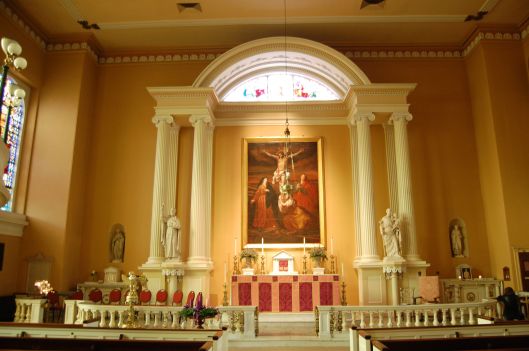
DSC_0115
Altar, Old St. Josephs Philadelphia, Pennsylvania

Here, the pastor of Old St. Joe’s, Fr. Dan Ruff, gives the “Ignatius Story”:

For many of you, this will be old news; but I am keenly aware that we constantly have new parishioners registering.  I am also often surprised to discover that some “old-timers” still have not heard the basic “Ignatius story.”  So here is the nickel version . . .

Iñigo Lopez de Loyola was born (we think) in 1491 in the little village of Azpeítia in northern Spain.  The village – now called Loyola, after its “favorite son” – is in the Basque Country; and Iñigo’s own family (he would not adopt the name Ignatius until adulthood) were of the Basque landed gentry.  The 13th child, he was orphaned very early in life and was raised by his older brother Pedro and his wife Maria.

Born into a world still dominated by the feudal system, the 13th child did not have much claim to family inheritance; so Iñigo no doubt counted himself fortunate when his brothers used their influence to place him, at the age of 15, as a page in the house of Juan Velásquez de Cuellar, the treasurer of King Ferdinand of Castile.  There, the young man received a formal courtly education, although the evidence suggests that he took to sword play and courtly rituals more than he did to book learning. 

When his patron died in 1517, Iñigo was able to secure a similar post in the retinue of Antonio Manrique, Duke of Nájera and Viceroy of Nazarre.  I like to think that if he were alive in theU.S.today, this whole “courtier” phase of Ignatius’ youth would correspond to his becoming a congressional “page” with business or political aspirations.  The real motivation was the chance to network, rub elbows with the powerbrokers, and enjoy the parties and “perks” along the way. 

Late in life, in his so-called “Autobiography,” Ignatius would characterize his youthful self as having been much given over to vanity and worldly ambition.  We also know that, like many a brash young man, Ignatius indulged in the occasional “youthful indiscretion,” relying on his political connections to protect his reputation and get him out of his self-made scrapes.  At one point, for instance, he was taken to court for having injured someone in a hot-headed brawl; and rumors persist about illegitimate children.
In 1521, when he was already 30 years old, Ignatius ‘ duties to the Duke of Nájera found him defending the fortress of Pamplona with a small contingent of Spaniards against an army of French invaders.  Ignatius and his comrades were greatly outnumbered, but our young hero – displaying great courage and pluck (bravado?!) – persuaded them that they could successfully defend the besieged fortress.  Things were going surprisingly well until a French cannonball came over the ramparts and seriously injured both of Ignatius’ legs.  With their “cheerleader” laid low, the Spaniards soon surrendered; and the French victors, impressed with Ignatius’ valor, agreed to transport the injured man to the family home in Azpeítia (Loyola).
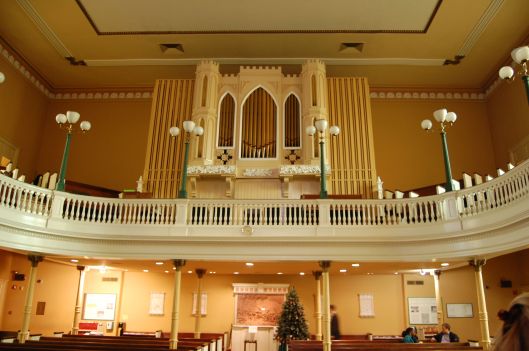
DSC_0110
View of Organ, Old St. Joseph’s, founded 1733 in Philadelphia, Pennsylvania USA

Once there, Ignatius nearly died of infection; but that did not prevent his having the right leg rebroken and reset – not once, but twice (both times unsuccessfully)!  Why?  In hopes that he could once again wear the fashionable tight hose that would show off his fine calves to the ladies at court!  As the long lonely bedridden months stretched on, Ignatius was reduced by depression and boredom to reading the only two books available – a life of Christ and a collection of lives of the saints.  Attending to his daydreams, he began to find that his old ambitions for fame, glory, and the hand of a beautiful woman, while still attractive, left him unsatisfied.  By contrast, new thoughts of serving God and imitating Sts. Francis and Dominic seemed to offer him deeper and longer-lasting satisfaction.  Thus began Ignatius’ great conversion, and his discovery of what would become “discernment of spirits.”

In 1522, having recovered his health (but left with a permanent limp), the new convert went to the monastery at Montserrat where he made a 3-day general confession and kept a knightly vigil-at-arms at the altar of his new “Lady fair,” the black Virgin of Montserrat.  Leaving his armor behind there, he dressed in a pilgrim’s sackcloth, substituting a walking staff for his sword.  Intending to pass through the town ofManresa, he ended up instead residing in a cave for 10 months of solitude and prayer, living on alms and building a friendship with God and Jesus. 

His extensive notes would become the basis for his “Spiritual Exercises” – the famous manual which would ground Ignatian spirituality and eventually win its author the title of “patron saint of retreats.”  It is noteworthy that he wrote the “Exercises” and began to lead others through them while still a layman with no thoughts of religious life or priesthood.  His lay status would lead to repeated arrests by the Inquisition, which would eventually lead to theology studies at theUniversityofPariswith an eye toward ordination.  His school chums there, having made the “Exercises” under his guidance, would eventually become the first members of the Society of Jesus (the Order was given papal approval in 1540).

Ignatius envisioned a priestly order of well-trained men, distinguished in virtue, who would serve the universal (global) Church at the pope’s good pleasure, going wherever they might “help souls” – particularly where the need was greatest, and where others could not and would not go.  That sense of Jesuit mission would eventually dictate that a missionary, Fr. Joseph Greaton, S.J., would found a parish in colonial Philadelphia 279 years ago.  And here we are.  Come celebrate our Ignatian heritage on July 31!

Above excerpt from Fr. Daniel M. Ruff, S.J. “From the Pastor” Old St. Joseph’s Parish July 2012

A fine Ignatius blog is here.

“Go forth and set the world on fire.”

― St. Ignatius of Loyola
St. Macrina the Younger, Sister of St. Basil

19 Friday Jul 2013

Posted by Brian in Saints

≈ 1 Comment

Tags

Gregory of Nyssa, St. Basil the Great Church, St. Macrina The Younger

2 macrinaThe St. Macrina mural by famous Georgian iconographer and painter, Niko Chocheli from the former Soviet Union. St. Basil the Great RC Church, Pennsylvania circa 2005
St. Macrina was born around 327 AD with her feast day being July 19th (the day of this post). After the death of her father, she helped her younger brothers in their religious education, especially, St. Basil, St. Gregory of Nyssa and St. Peter of Sebaste. She became known to her holy brothers as “Macrina the Great” and “Macrina the Teacher” by her brothers. Note that Macrina the Elder is the grandmother of Macrina, Basil and Gregory.

With her families wealth, Macrina founded a convent and became a nun. In 379 St. Gregory returned home and found his sister sick and near death. They conversed about death and the afterlife. These final days are included in a book called The Life of Macrina, by St. Gregory of Nyssa.

Several last words of St. Macrina:
“Oh, Lord! Thou didst destroy the fear of death. Because of Thy sacrifice, true life begins when the present life finishes. We will sleep for a while and then, to the sound of the trumpet, we will resurrect. Thou didst save us from the curse of the sin, redeeming us from both sin and its curse.”

St. Anthony of Padua, Franciscan, Doctor of the Church

12 Wednesday Jun 2013

Posted by Brian in Saints

≈ Leave a comment

Tags

Doctor of Church, Franciscan, miracles, saints, sermons, St. Anthony of Padua

anthony closeup 2 basils

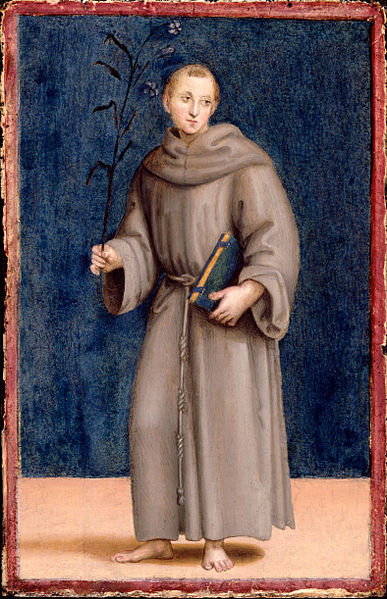
Saint Anthony (1195 – 1231) feastday is June 13. He is typically depicted with a book and the Infant Child Jesus, to whom miraculously appeared to him, and is commonly referred to as the “finder of lost articles.” Upon exhumation, some 336 years after his death, his body was found to be corrupted, yet his tongue was totally incorrupt, so perfect were the teachings that had been formed upon it. He was canonized (declared a saint) less than one year after his death. St. Anthony was as a fearless orator and became known as the “Hammer of the Heretics.”

Raphael_-_Saint_Anthony_of_Padua_-_Google_Art_Project
St. Anthony of Padua by Raphael

Miracles associated with St. Anthony:
– On Holy Thursday, while preaching in the Church of St. Pierre du Queriox at Limoges, he remembered he had to sing the Divine Office in the choir. He bilocated, appearing among the friars to sing, and continued on with his preaching.

– Again while preaching in Limoges (in the square des creux des Arenes), he miraculously kept his audience dry from the rain.

– On his way back to Italy after the death of St. Francis (3 October, 1226), he travelled through Provence where, tired from travel, he and his companions entered the house of a poor woman, who placed bread and wine before them. She had forgotten, though, to shut off the tap of the wine-barrel — and as the wine was running out, one of Anthony’s companions broke his glass. Anthony prayed, and the wine barrel was filled up again and the glass was made whole.

– Again while preaching in Limoges (in the square des creux des Arenes), he miraculously kept his audience dry from the rain.

– Near Padua took place the famous “sermon to the fishes” when, to impress heretics, he preached the word of God and the fishes poked their heads out of the water to listen.

– During the sermon at St. Junien, he rightfully predicted that the devil would cause the pulpit to break, but that everyone would be safe. 

Miracles described from Fisheaters blog

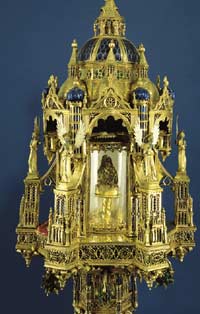
613anthonytongue
Saint Anthony’s tongue was placed in a reliquary, and is still venerated today.

613anthonyskeletonLying in state:
The remains of St Anthony lie in a glass case in the Relics Chapel of Padua’s Basilica (
Daily Mail 2010)

Anthony’s body was buried in the Franciscan Church of Saint Mary in Padua (from which his name originates). Canonized within the year, a grand basilica was built only 30 years later, and his relics placed beneath the alter. Upon translation of his holy relics, it was found that his body had been reduced to dust and bone, but that his tongue was incorrupt—intact and life-like. This was taken as confirmation of his gifts of writing, preaching, and teaching from the Lord. St. Bonaventure, who was present as minister general of the Friars Minor, took the tongue reverently into his hands and exclaimed,
“O blessed tongue, which has always blessed God and caused others to bless Him, now it appears evident how great were your merits before God!”

So simple and resounding was his teaching of the Catholic Faith, so that the most unlettered and innocent might understand it, that he was made a Doctor of the Church by Pope Pius XII in 1946. Saint Anthony was only 36 years old when he died.

Because St. Anthony was buried on a Tuesday and many miracles accompanied his funeral, Tuesdays are special days of honoring him throughout the year. It is customary to pray a Novena to him on thirteen consecutive Tuesdays

The Brief
As she demonically oppressed women in the 13th century prayed, she saw St. Anthony standing before her, saying, “‘Arise woman, and take this paper, which will free you from the molestations of the Evil One.” Then he gave her a parchment inscribed with what is now known as the “Brief (i.e., “Letter”) of St. Anthony,” and she was now free from demonic oppression and the desire to do away with herself.
The Brief consists of a depiction of a Cross, and words which, forming a rhyme in the Latin, hearken back to Apocalypse 5:5, “And one of the ancients said to me: Weep not: behold the lion of the tribe of Juda, the root of David, hath prevailed to open the book and to loose the seven seals thereof.” The words of St. Anthony’s Brief are:

Ecce Crucem Domini,
Fugite, partes adversae,
Vicit Leo de Tribu Juda,
Radix David, alleluia.

English version:
Behold the Cross of the Lord!
Flee ye adversaries!
The Lion of the Tribe of Juda,
The Root of David has conquered, alleluia!

The words of this Brief are good ones to use when feeling tempted by evil, oppressed by demons, and in general spiritual warfare.

7_600	 St. Anthony of Padua Stilling a Storm - Limbourg brothers, 1408
St. Anthony of Padua Stilling a Storm – Limbourg brothers, 1408

Per St. Anthony, “The saints are like the stars. In his providence Christ conceals them in a hidden place that they may not shine before others when they might wish to do so. Yet they are always ready to exchange the quiet of contemplation for the works of mercy as soon as they perceive in their heart the invitation of Christ.”

St. Norbert Feast Day, The Norbertines and Daylesford Abbey

06 Thursday Jun 2013

Posted by Brian in Saints, Uncategorized

≈ Leave a comment

Tags

Dalyseford Abbey, Norbertines, St. Norbert

Norbert Dalysford 2St. Norbert, founder of the Norbertine Order. At Daylesford Abbey side chapel in Paoli Pennsylvania, a suburb of Philadelphia.

According to Give us This Day, when St. Norbert (1080-1134) was appointed archbishop of Magdeburg, (in present day Germany) he arrived in the city barefoot and dressed so poorly, he was first turned away by the palace attendant as a beggar. Upon realizing his mistake, Norbert assured him: “Never mind, dear brother, you judge me more truly than those who brought me here.”

norbertSaint Norbert Painting by Marten Pepijn 1637, oil on panel a O.L. Vrouwekathedraal Cathedral in Antwerp, Belgium.

The Norbertines at Daylesford Abbey are canons regular, (not monks) meaning they service and interact with the community and follow the Rule of St. Augustine. This is why their Spirituality Center programs are so strong and varied, from bringing in world renowned speaker Fr. Richard Rohr to presentations on the spirituality of beekeeping. For some the larger programs, conferences or retreats, the Abbey has 36 rooms for overnight guests. They also have home cooked meals for a nominal cost.

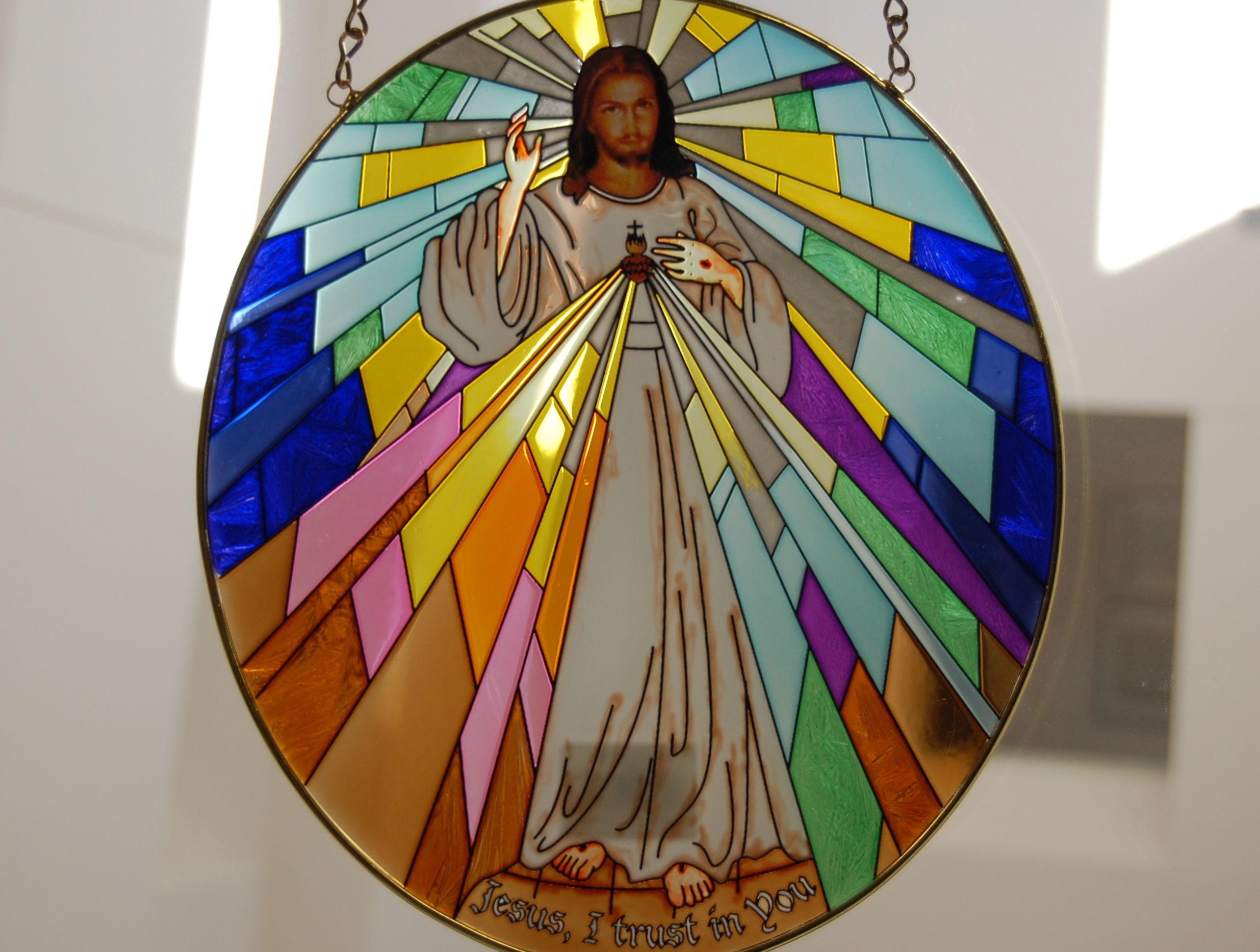
jesus i trust in you

“Jesus I Trust in You” at Daylesford Abbey

Also known as Premonstratensians. Norbert founded the order in the French town of Premontre, northeast of Paris. The Norbertines today sing their prayers in the Divine Office and have a special devotion to the Holy Eucharist. On June 6th, the solemnity of St. Norbert, Daylesford Abbey shares with the community The Office of Vigils, Morning Prayer, Mass with St. Norbert emphasis, and Vespers.

DSC_0316
Entrance to Daylseford Abbey complex.

Abbey view
Daylesford Abbey in Paoli, Pennsylvania USA.

St. Rita of Cascia and The National Shrine of St. Rita of Cascia

21 Tuesday May 2013

Posted by Brian in Saints, Shrines of Philadelphia, St. Rita of Cascia

≈ 3 Comments

Tags

feast day, Rita of Cascia, saints, Shrine, South Philly, St. Rita of Cascia Feast Day

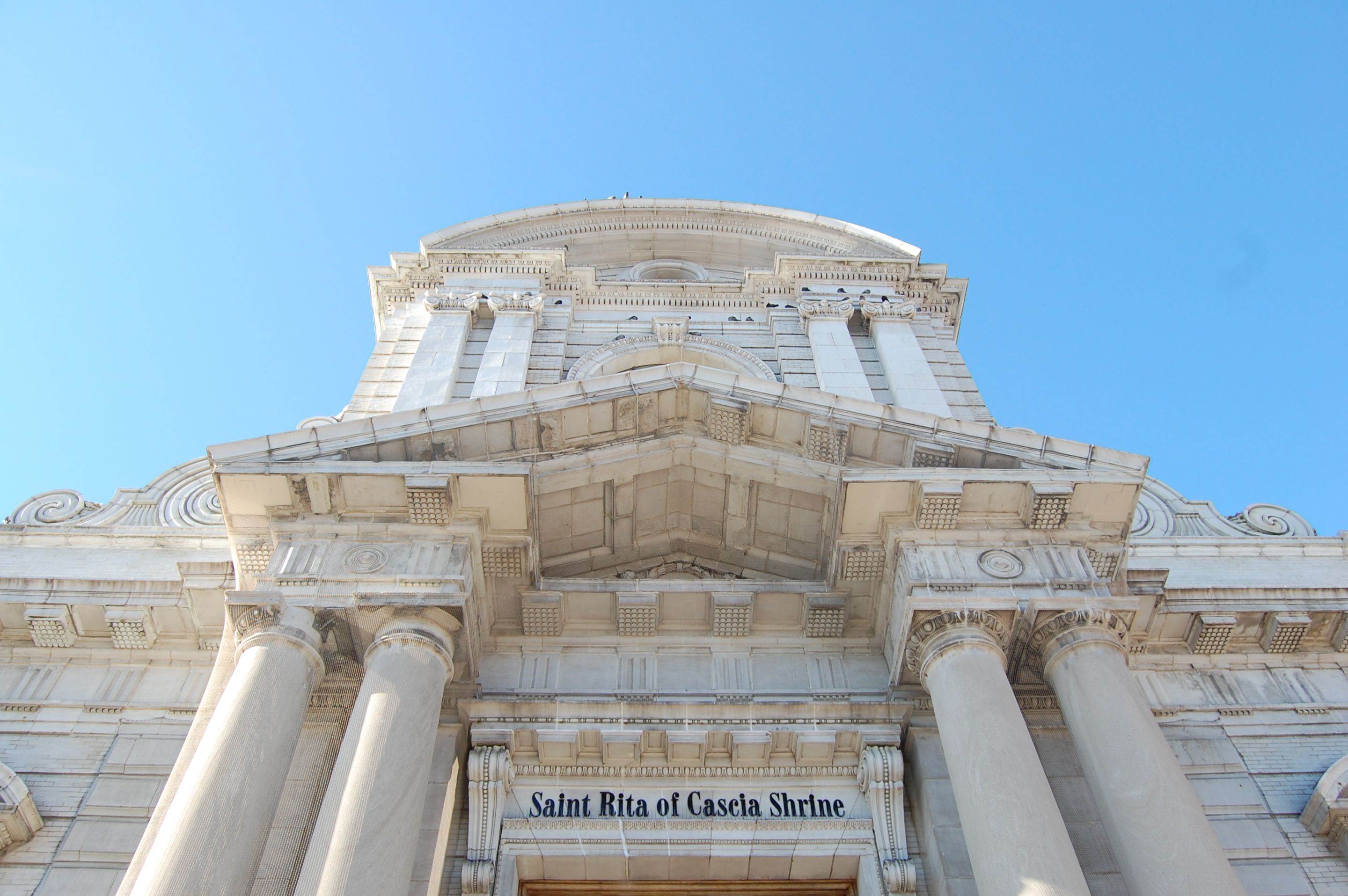
rita shrine looking upNational Shrine of St. Rita of Cascia, Philadelphia, PA.

At the National Shrine of St. Rita of Cascia, located in South Philadelphia PA, a relic of St. Rita and the pillow she laid here head are on display. Her incorrupt body resides in the chapel of Basilica of Santa Rita da Cascia in Umbria, Italy.

St. Rita is the patron of forgiveness and reconciliation and is known as being the peacemaker. Her feast day is May 22nd, the anniversary of her death. St. Rita had three patron saints that she followed throughout her lifetime. One was St. Nicholas of Tolentine, a friar committed to prayer for the faithfully departed. The other is St. Augustine and she became an Augustinian nun. The third patron saint but not the least is John the Baptist, who baptized Jesus.

st rita with thorn
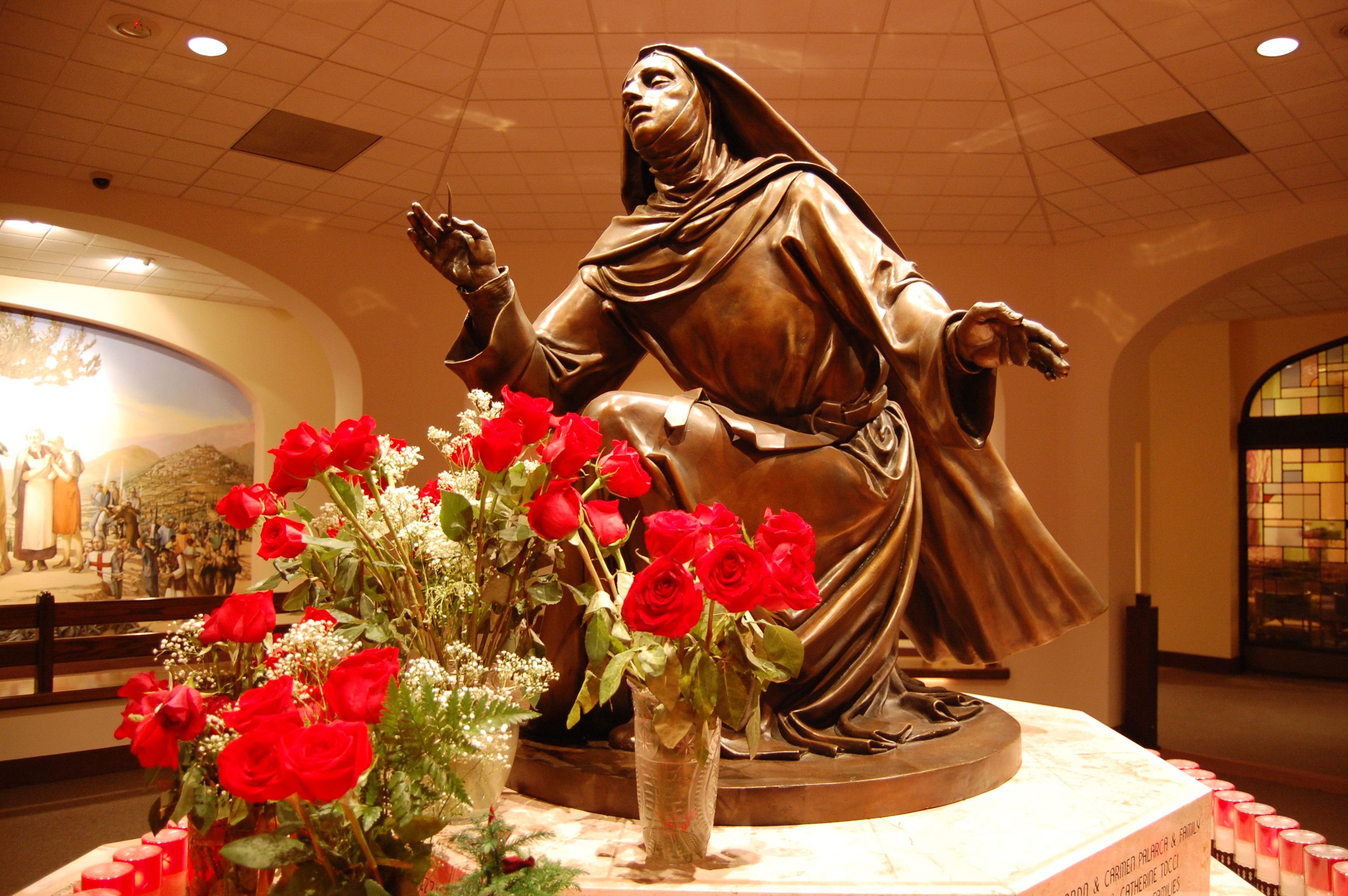
St. Rita holding a single thorn that mystically pierced her forehead (stigmata). At the National Shrine of St. Rita of Cascia, Philadelphia, PA.

st nicholas of tolentine
St. Nicholas of Tolentine at St. Ritas National Shrine

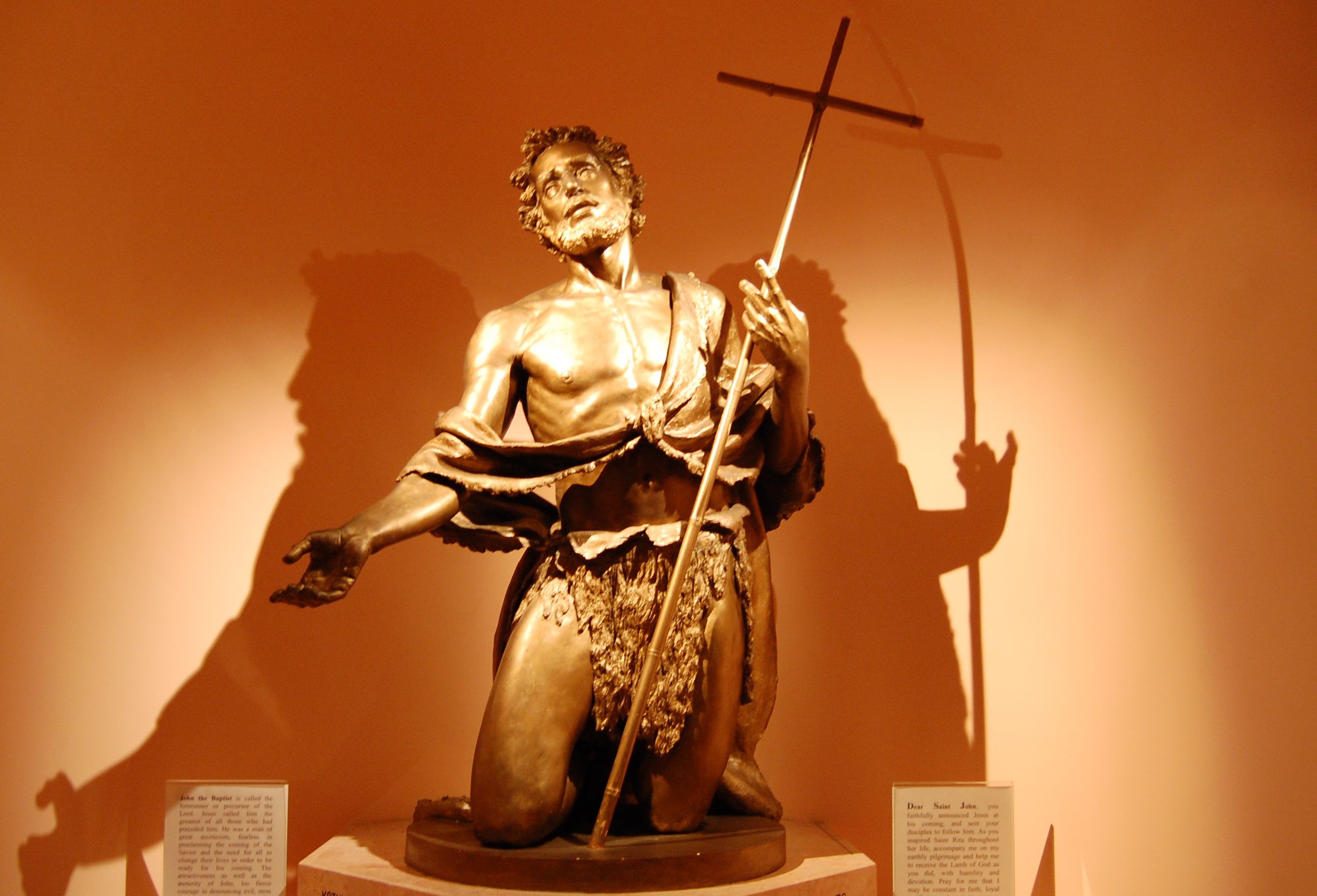
st john the baptist at ritas
St. John the Baptist. National Shrine of St. Rita of Cascia, Philadelphia, PA.
Rita is remembered as the advocate of reconciliation and making peace.

st thomas of villanova at ritas
St. Thomas of Villanova, Augustinian. National Shrine of St. Rita of Cascia, Philadelphia, PA

St. Thomas of Villanova (1488–1555) is the patron of the friars who serve the National Shrine of St. Rita of Cascia. As St. Thomas was an Augustinian, most friars at the shrine are also Augustinians. At the age of thirty-six Rita pledged to follow the Rule of Saint Augustine.

Later in life at the age of sixty years, she was meditating before an image of Christ and received a stigmata, a small wound on her forehead, resembling a thorn as shown earlier. For the next fifteen years she bore this thorn. In spite of the pain she constantly experienced, she offered herself for the physical and spiritual well-being of others.

st rita with relics
St. Rita holding cross and roses with relic on display below. National Shrine of St. Rita of Cascia, Philadelphia.

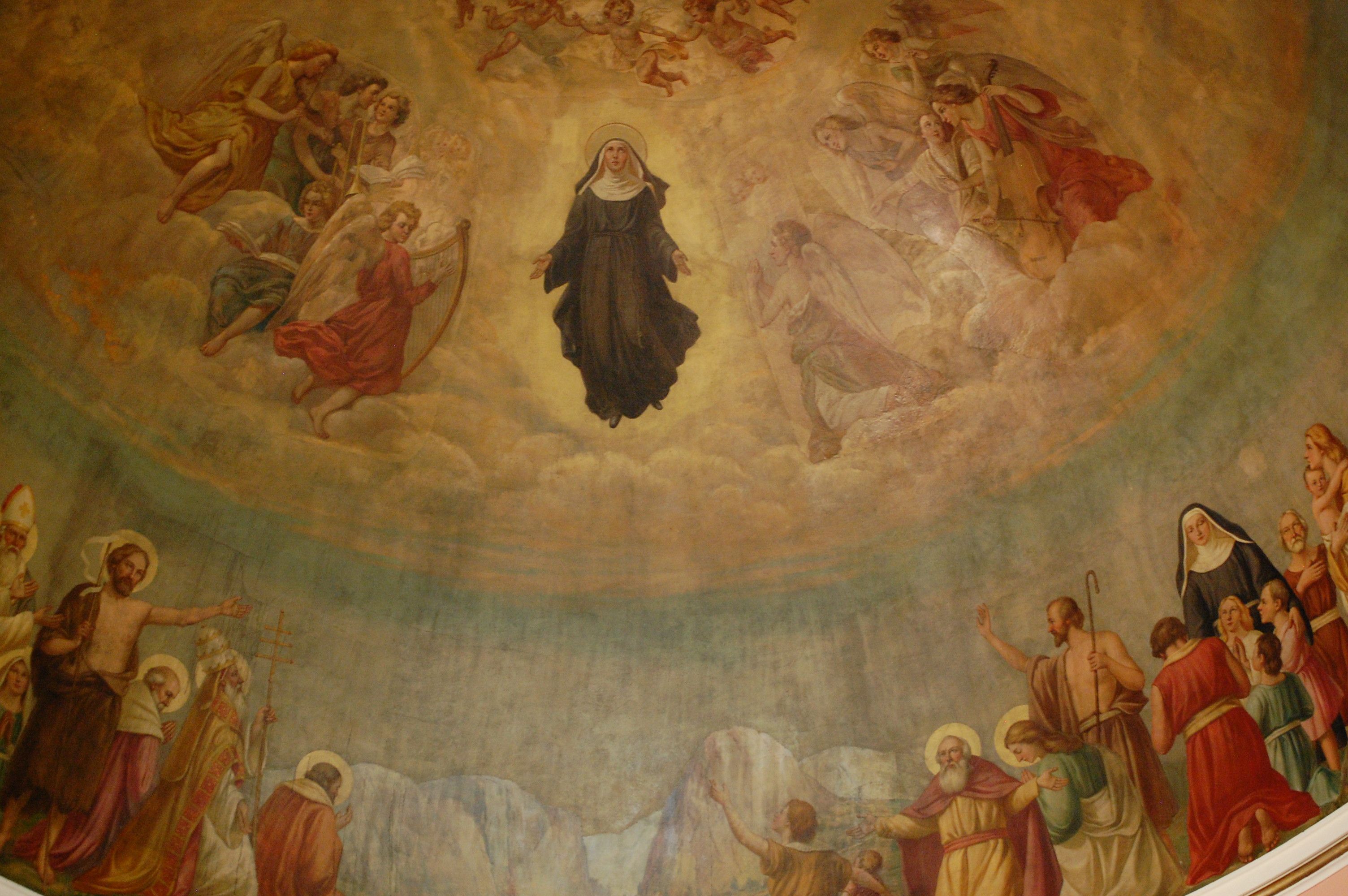
st rita in heaven
St Rita in Heaven at the National Shrine of St. Rita of Cascia in South Philadelphia, PA.

The enormity of this feast day can not be understated. There are thousands of roses distributed prior to the Masses that are brought up to the altar with faithful asking for intersessions. Roses are blessed after each Mass on the feast day which is May 22nd. Quite a celebration!

St. Catherine of Siena – Doctor of the Church

29 Monday Apr 2013

Posted by Brian in Saints

≈ Leave a comment

Tags

Catherine of Siena, saints

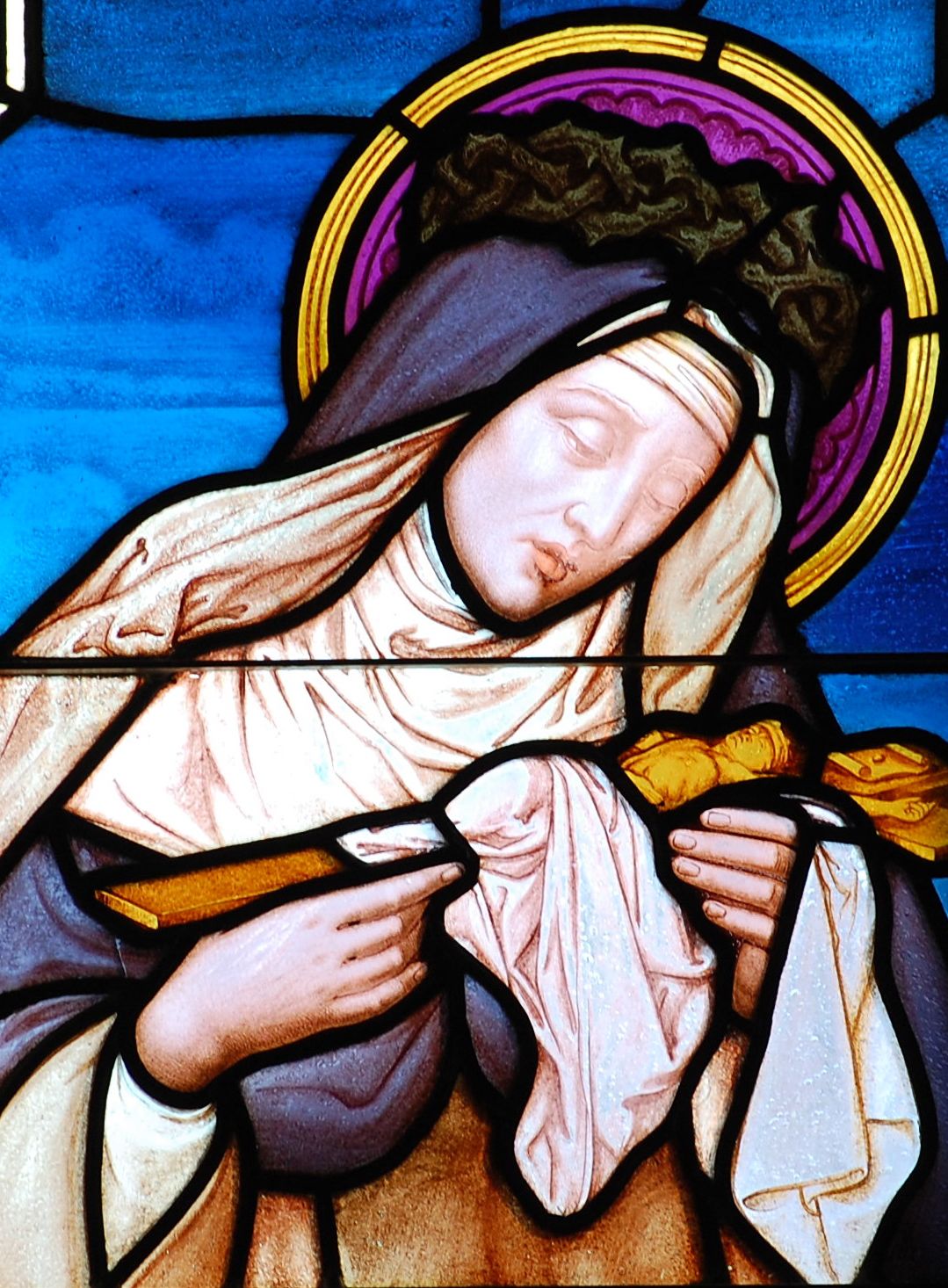
DSC_0030St. Catherine is shown with a Crown of Thorns, symbolizing her suffering for Jesus, also adoring the crucifix wrapped in the Dominican habit.

Catherine of Siena (1347-1379) is a Doctor of the Church affiliated with the Domicians, founded by St. Dominic over a hundred years before her time in 1217. She would have been familiar with St. Thomas of Aquinas writings (1225-1274) also a Doctor of the Church and a Domincan. Both St. Catherine of Siena, St. Thomas Aquinas and St. Albert the Great, all Domincans, are considered the Middles Age Church Doctors, along with St. Anthony of Padua and St. Bonaventure. The Dominicans have been instrumental in spreading the rosary and emphasizing the power given by reciting and meditating on the rosary.

St. Catherine’s book The Dialogue, is a best seller. The transcriptions of her locutions or thoughts and words from God were written down by confreres of her order. The book is available on Amazon.com in hardcopy or for free at the Christian Classics Ethereal Library in PDF and Online.

dialog-thumb

Middle Age Church Doctors

St. Anthony of Padua, 1195-1231 (Evangelical Doctor)
St. Albert the Great, 1200-1280 (Doctor of Science)
St. Bonaventure, 1217-1274 (Seraphic Doctor)
St. Thomas Aquinas, 1225-1274 (Angelic Doctor)
St. Catherine of Siena, 1347-1379 (Doctor of Unity)

From The Dialogue by St. Catherine:

“One who knows more, loves more.” Dialogue 66

“The soul, as soon as she comes to know Me, reaches out to love her neighbors.”  Dialogue 89

 “Do not presume to choose your own way of serving instead of the one I have made for you.”  Dialogue 100

St. Gianna Molla Feast Day

28 Sunday Apr 2013

Posted by Brian in Saints, St. Gianna Molla

≈ 1 Comment

Tags

gianna, saints

“Let us love the Cross and let us remember that we are not alone in carrying it. God is helping us. And in God who is comforting us, as St. Paul says, we can do anything.”
– St. Gianna Beretta Molla


Novena To Obtain Graces Through Saint Gianna Beretta Molla

God, our Father, You have granted to Your church the gift of Gianna Beretta Molla. In her youth she lovingly sought You and drew other young people to You, involving them, through apostolic witness and Catholic Action, in the care of the sick and aged, to help and comfort them.

We thank You for the gift of this young woman, so deeply committed to You. Through her example grant us the grace to consecrate our lives to Your service, for the joy of our brothers and sisters.

Glory be …

Jesus, Redeemer of mankind, You called Saint Gianna to exercise the medical profession as a mission for the comfort of bodies and souls. In her suffering fellow men and in the little ones, deprived of all support, she saw You.

We thank You for having revealed Yourself to this servant as “one who serves” and who soothes the sufferings of men. Treasuring her example may we become generous Christians at the service of our brothers and sisters, especially those with whom You deign to share Your Cross.

Glory be…

God, Sanctifying Spirit, who love the Church as Your Bride, You poured into the heart of Saint Gianna a share of Your Love so that she could radiate it in her family, and thus cooperate with You in the wonderful plan of creation, and give life to new children who could know and love You.

We thank You for this model wife and, through her encouraging witness, we beg You to grant to our families the serene and Christian presence of mothers committed to transform their homes into cenacles of faith and love, rich with generous activity and sanctifying service.

Glory be…

O God, Creator and lover of mankind, You were close to Saint Gianna when, affected by illness, she was in the painful dilemma of choosing between her own life and the life of the child whom she was carrying in herself, a gift long-awaited. Trusting You alone, and aware of Your Commandment to respect human life, Gianna found the courage to do her duty as a mother and to say “yes” to the new life of her baby, generously sacrificing her own. Through the intercession of Mary, Mother of Jesus, and after the example of Gianna, inspire all mothers to welcome with love the sparkle of new life. Grant us the grace we are praying for …………. and the joy to find an inspiration in Saint Gianna who, as a model spouse and mother, after the example of Christ, gave up her life for the life of others.

Hail Mary…

_______________________
St. Gianna is a patron saint for mothers, physicians, and unborn children.

All Around St. Katharine Drexel Shrine

03 Sunday Mar 2013

Posted by Brian in Saints, St. Katharine Drexel

≈ 8 Comments

Tags

Bensalem PA, Drexel Mission Center, Drexel Shrine, monastery, Saint, Shrine of Philadelphia, Sisters of the Blessed Sacrament, St. Katharine Drexel

Celebrating the feast day of St. Katharine Drexel, March 3.

DSC_0138_2
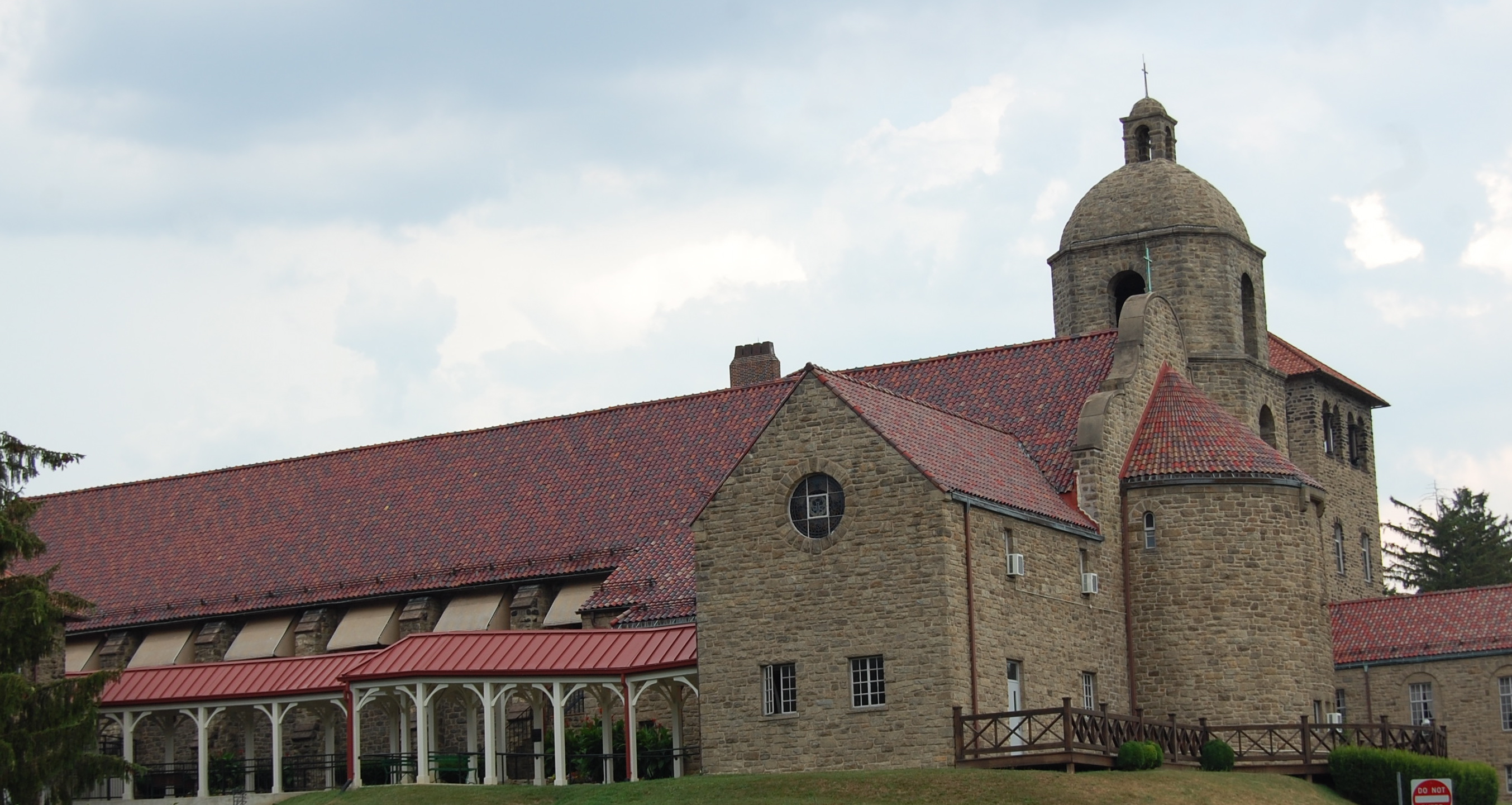
Katharine Drexel Shrine looks like a medieval monastery from this side view.

katharine
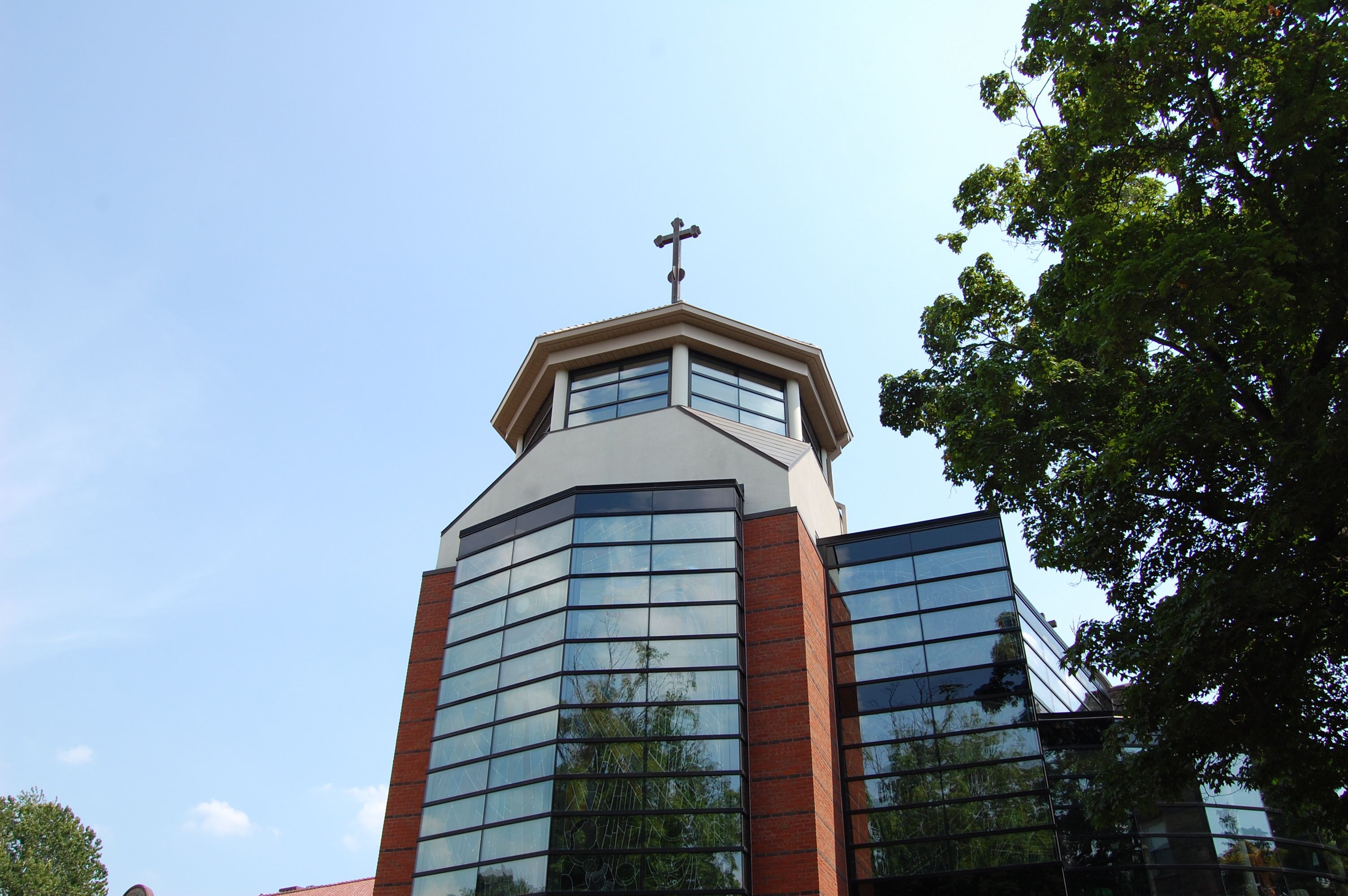
The modern front entrance. The Sisters of the Blessed Sacrament operate the St. Katharine Drexel Mission Center and National Shrine in Bensalem PA.

DSC_0121
The Sisters of the Blessed Sacrament motto: Guided by the spirit of Katharine Drexel, we are called to share the Gospel message with the poor, especially among the Black and Native American peoples and to challenge the deeply rooted injustice in the world today.

window outside gift shop
Windows outside gift shop.

catalog

From the Osservatore Romano:

Born in Philadelphia, Pennsylvania, U.S.A. on 26 November 1858, Katharine was the second daughter of Francis Anthony Drexel, a wealthy banker, and his wife, Hannah Jane. The latter died a month after Katharine’s birth, and two years later her father married Emma Bouvier, who was a devoted mother, not only to her own daughter Louisa (born 1862), but also to her two step-daughters. Both parents instilled into the children by word and example that their wealth was simply loaned to them and was to be shared with others.

Katharine was educated privately at home; she traveled widely in the United States and in Europe. Early in life she became aware of the plight of the Native Americans and the Blacks; when she inherited a vast fortune from her father and step-mother, she resolved to devote her wealth to helping these disadvantaged people. In 1885 she established a school for Native Americans at Santa Fe, New Mexico.

DSC_0031

Later, during an audience with Pope Leo XIII, she asked him to recommend a religious congregation to staff the institutions which she was financing. The Pope suggested that she herself become a missionary, so in 1889 she began her training in religious life with the Sisters of Mercy at Pittsburgh.

In 1891, with a few companions, Mother Katharine founded the Sisters of the Blessed Sacrament for Indians and Colored People. The title of the community summed up the two great driving forces in her life—devotion to the Blessed Sacrament and love for the most deprived people in her country.

DSC_0077

DSC_0127

Requests for help reached Mother Katharine from various parts of the United States. During her lifetime, approximately 60 schools were opened by her congregation. The most famous foundation was made in 1915; it was Xavier University, New Orleans, the first such institution for Black people in the United States.

In 1935 Mother Katharine suffered a heart attack, and in 1937 she relinquished the office of superior general. Though gradually becoming more infirm, she was able to devote her last years to Eucharistic adoration, and so fulfill her life’s desire. She died at the age of 96 at Cornwell Heights, Pennsylvania, on 3 March 1955. Her cause for beatification was introduced in 1966; she was declared Venerable by Pope John Paul II on 26 January 1987, by whom she was also beatified on 20 November 1988.

DSC_0132

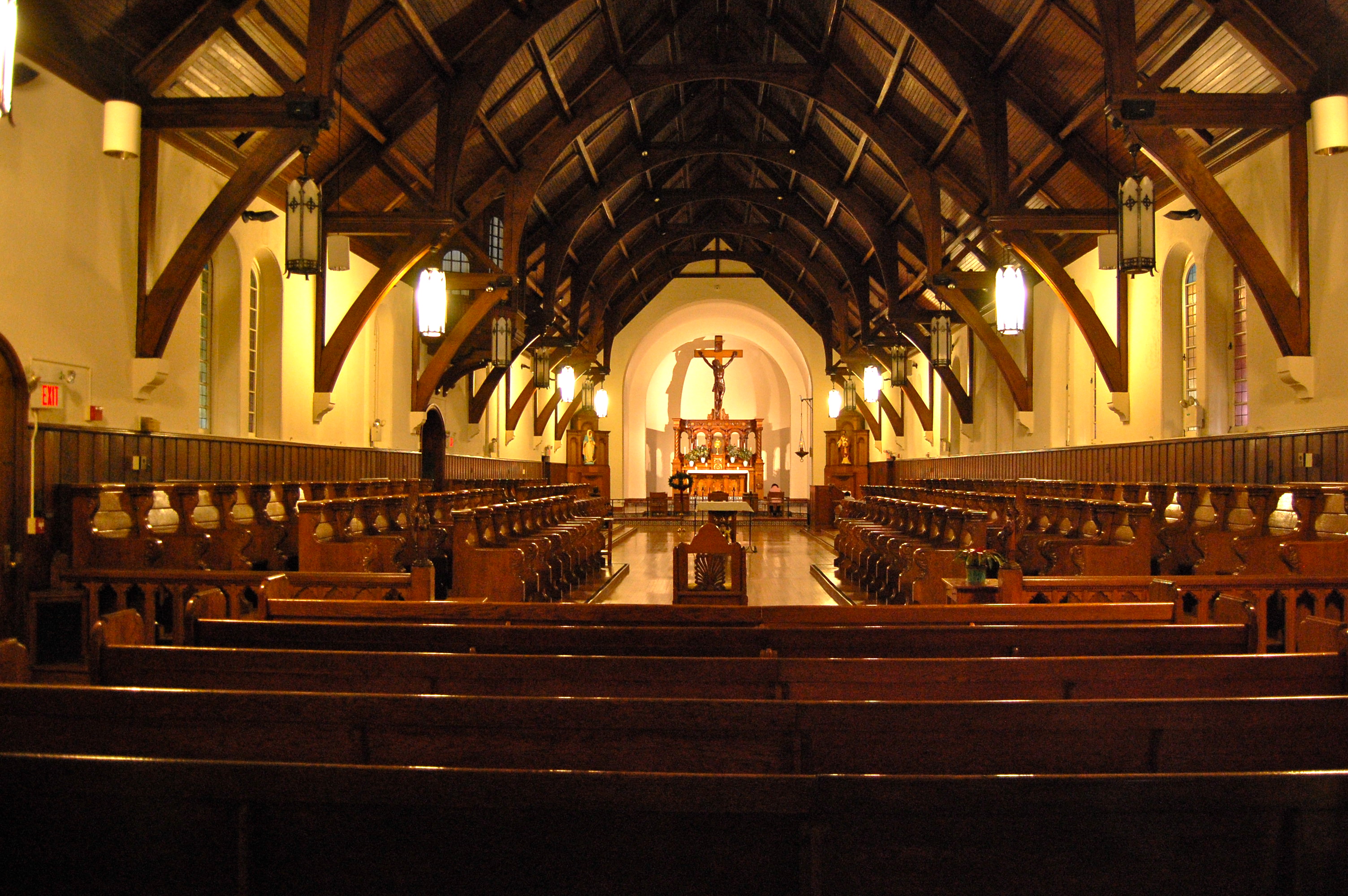
The design of St. Elizabeth Chapel is similar to other monasteries, where the pews are aligned to the center of the chapel. In this way, the religious face each other, to know and pray with their neighbor. The hexagon arrangement in modern churches also utilizes this concept of parishioners facing their neighbor.

DSC_0200

KD face closeup
A closeup of St. Katharine.

Sister Anne (Basil)

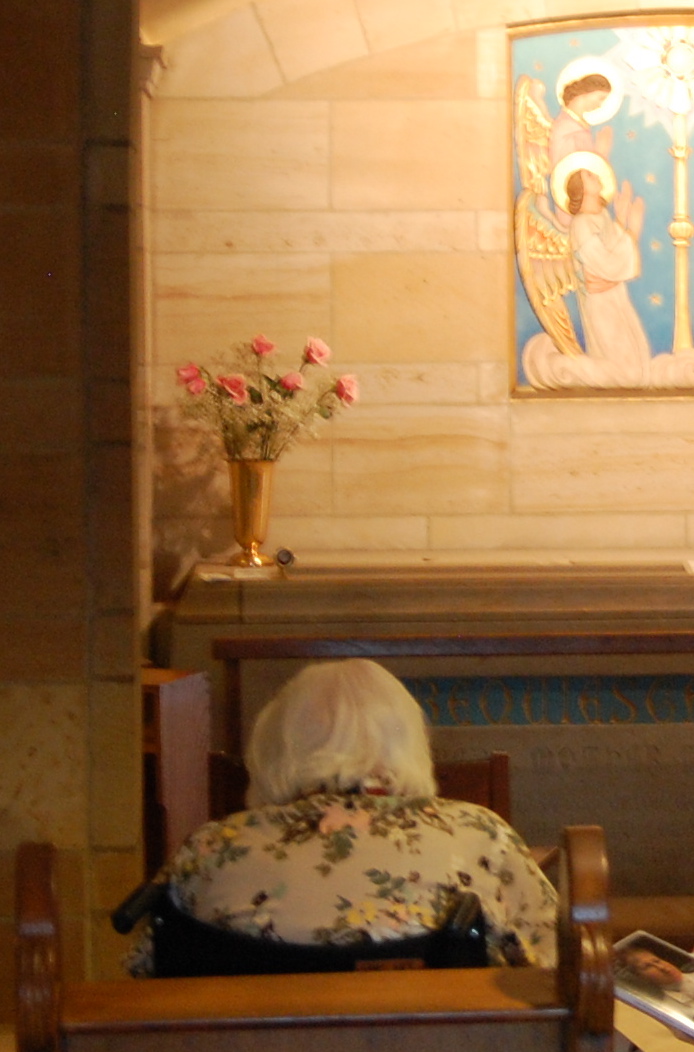
Pictured diligently in front of the crypt of St. Katharine Drexel is Sister Anne, who knew the saint personally. She describes Katharine as frugal, hard working, yet joyous and liked to joke.

When Sister Anne joined the Sisters of the Blessed Sacrament, she requested her religious name be Sister Basil. St. Katharine tried to dissuade Anne of this name, but to no avail. Anne explained her strong devotion to St. Basil. It was elevated to the local Bishop for a decision. Again Anne, determined to be called Sister Basil, made her case. Seeing the determination of this young sister, the bishop gave in and allowed her to be called Sister Basil. Years later, on religious assignment in Louisiana, Sister Basil decided to revert back to her baptized name, Anne.

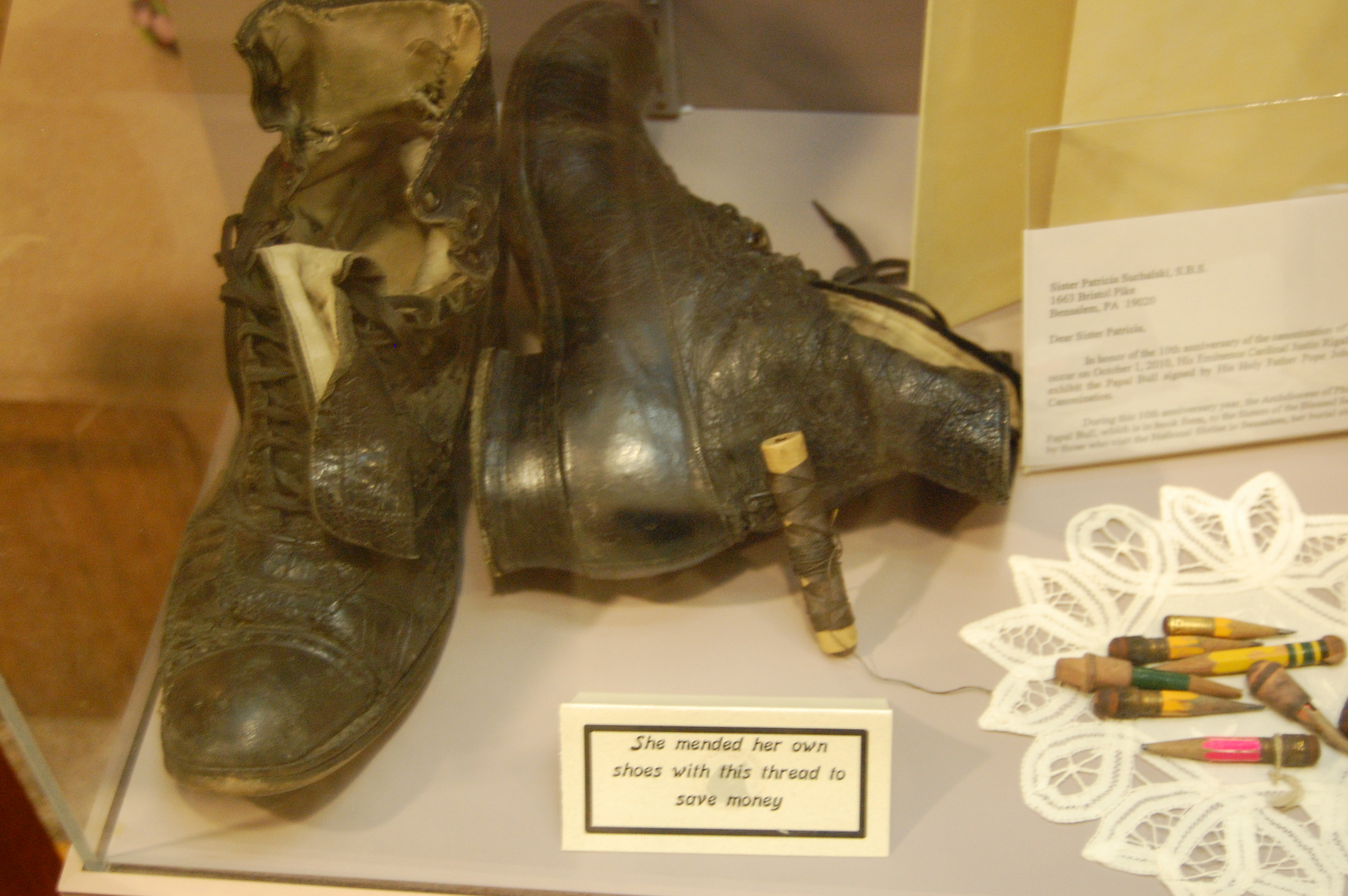
shoes and pencils

The frugality of St. Katharine can be seen in the pencil stubs.

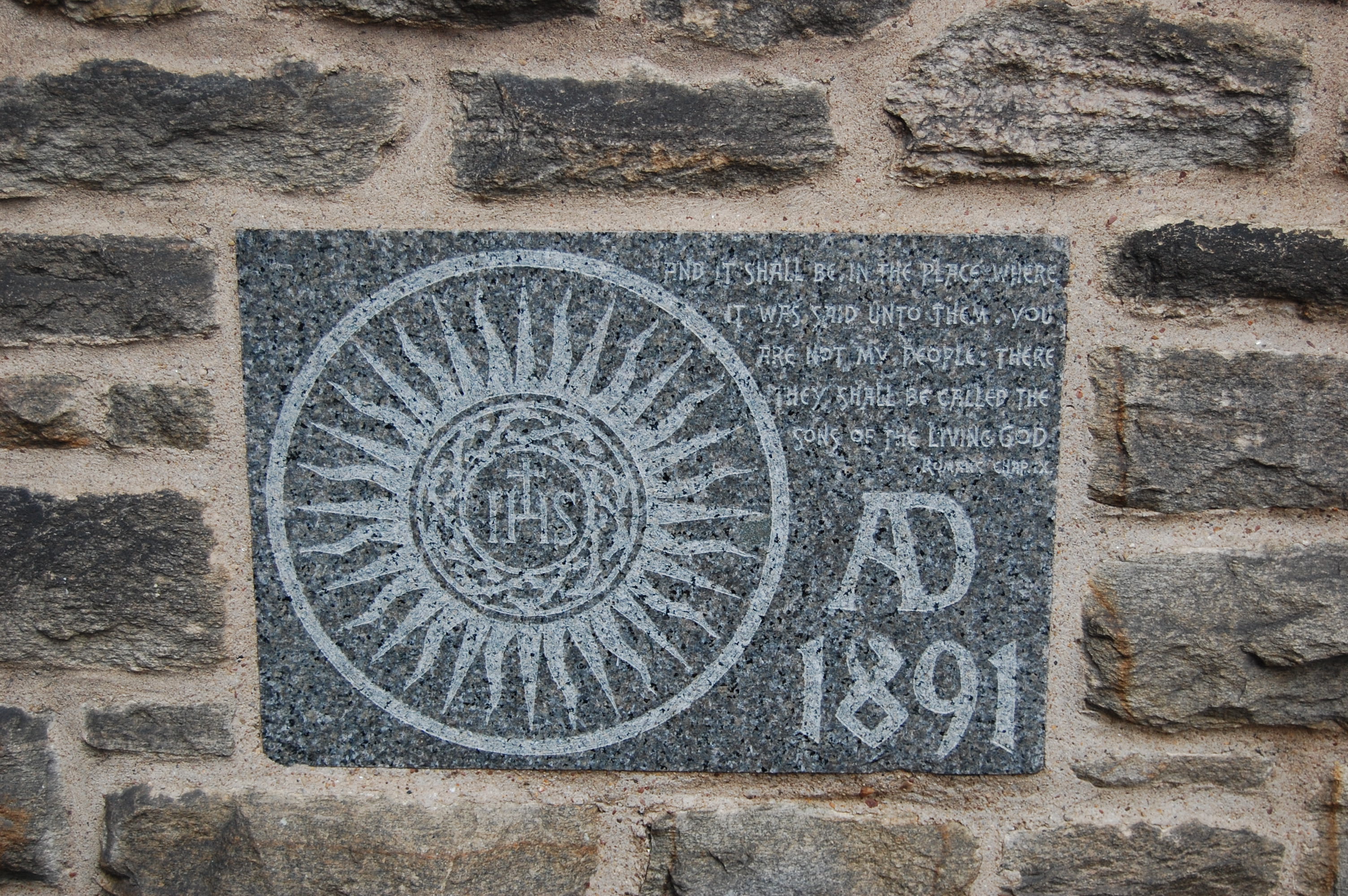
rock 1891

Inscription on stone of Drexel Shrine, “And it shall be in the place where it was said unto them, ‘you are not my people’, there they shall be called the sons of the living God.”
Romans Chap IX

Altar KD Professed

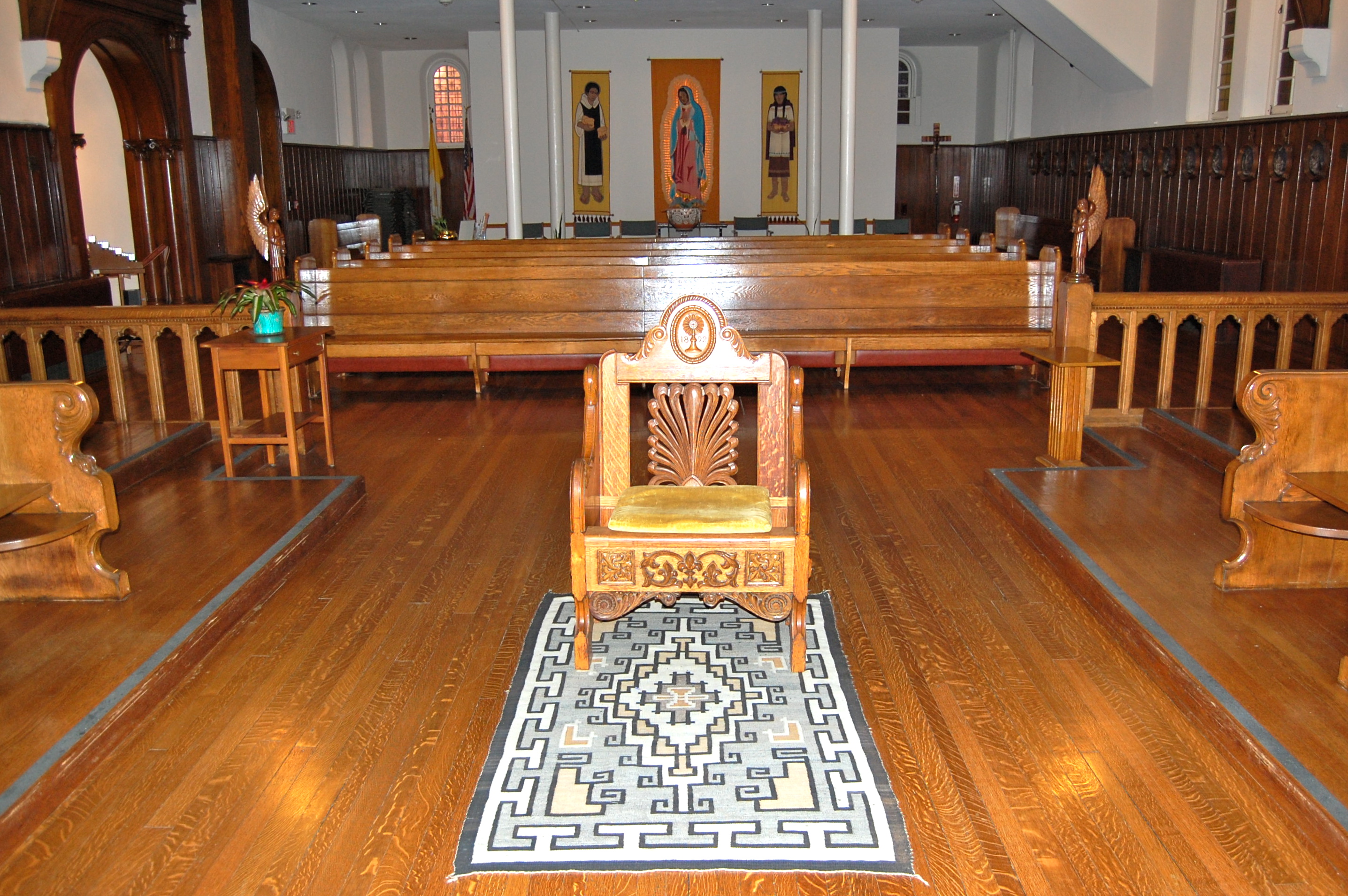
KD CHair
This chair inscribed with the date, 1892, was used by Saint Katharine during her life.

DSC_0330

For more on Katharine Drexel, see

http://whispersintheloggia.blogspot.com/2010/03/urban-legend-global-saint.html

St. Thomas Aquinas – Doctor of the Church

28 Monday Jan 2013

Posted by Brian in Saints

≈ Leave a comment

Tags

saints, St. Thomas Aquinas, theology

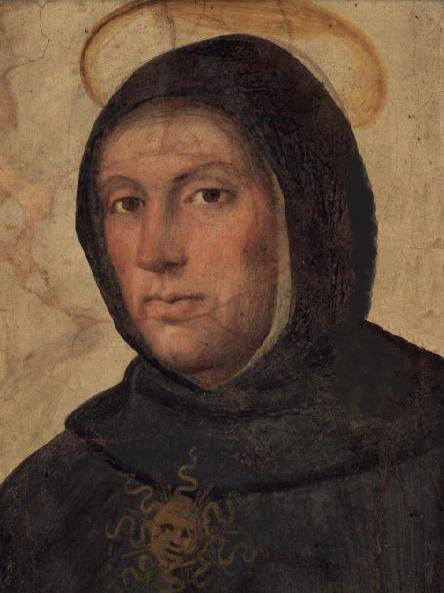
Thomas_Aquinas_by_Fra_Bartolommeo

Thomas Aquinas is widely regarded as one of the greatest Catholic theologians. Thomas was a student in the 13th century, studying in Cologne where he rarely opened his mouth earning him the nickname “the Dumb Ox.” His teacher was Albert the Great, who realized his great capabilities. He went on to receive his doctorate in Paris and in 1266 began his masterpiece, the Summa Theologiae. Here, Thomas combined the philosophy of Aristotle and the theology of the Christian faith. The project was never finished. During Mass one day he had a mystical experience that caused him to cease writing. When asked what happened, he replied, “All that I have written seems to me like so much straw compared to what have seen and what was revealed to me.” He died three months later on March 7, 1274 at the age of forty nine. His feast day is January 28.
Source: Blessed Among Us

Here are several quotes from St. Thomas Aquinas:

“To convert somebody go and take them by the hand and guide them.”

“Wonder is the desire of knowledge.”

“The things that we love tell us what we are.”

“I would rather feel compassion than know the meaning of it. I would hope to act with compassion without thinking of personal gain.”

“We can’t have full knowledge all at once. We must start by believing; then afterwards we may be led on to master the evidence for ourselves.”
— Thomas Aquinas

Thomas Aquinas handwriting. Looks a little messy...

Thomas Aquinas handwriting. Looks a little messy…

Ask Anything – Poem by St. Thomas

‘Ask anything.’

My Lord said to me.

And my mind and heart thought deeply

for a second,

then replied with just one word,

‘When?’

God’s arms then opened up and I entered Myself.

I entered myself when I entered

Christ.

And having learned compassion

I allowed my soul

to stay.

From ‘Love Poems From God‘ by Daniel Ladinsky.

Favorite Authors of St. Thomas
Citations found in Secunda pars in the Summa Theologiae.

Augustine 1,630
Aristotle 1,546
Gregory the Great 439
Dionysius 202
Cicero 187
Jerome 178
John Damascene 168
Ambrose 151
Isidore of Seville 120
Roman Law 102
Gregory of Nyssa (actually Nemesius of Ephesus) 41
Macrobius 33
Boethius 30
Prosper of Aquitaine 19
Benedict 18
Basil 13
Plato 12
Hilary of Poiteiers 12
Bernard 9
Caesar 8
Ptolemy 1
Thanks to Canterbury Tales blog by Dr. Taylor Marshall.

Free ebooks by and about St. Thomas Aquinas

Free ebooks by and about St. Thomas Aquinas

An interesting St. Thomas Aquinas Novena . . .

St Thomas Aquinas Novena

St. John Neumann and the SJN National Shrine

05 Saturday Jan 2013

Posted by Brian in Saints, Shrines of Philadelphia, St. John Neumann

≈ 2 Comments

Tags

40 Hours Devotion, Buffalo NY, John the Evangelist Church, Philadelphia, Saint, St. John Neumann, St. Peter the Apostle Church

DSC_0205
Memorial of St. John Neumann, Bishop January 5.
IMG_2305

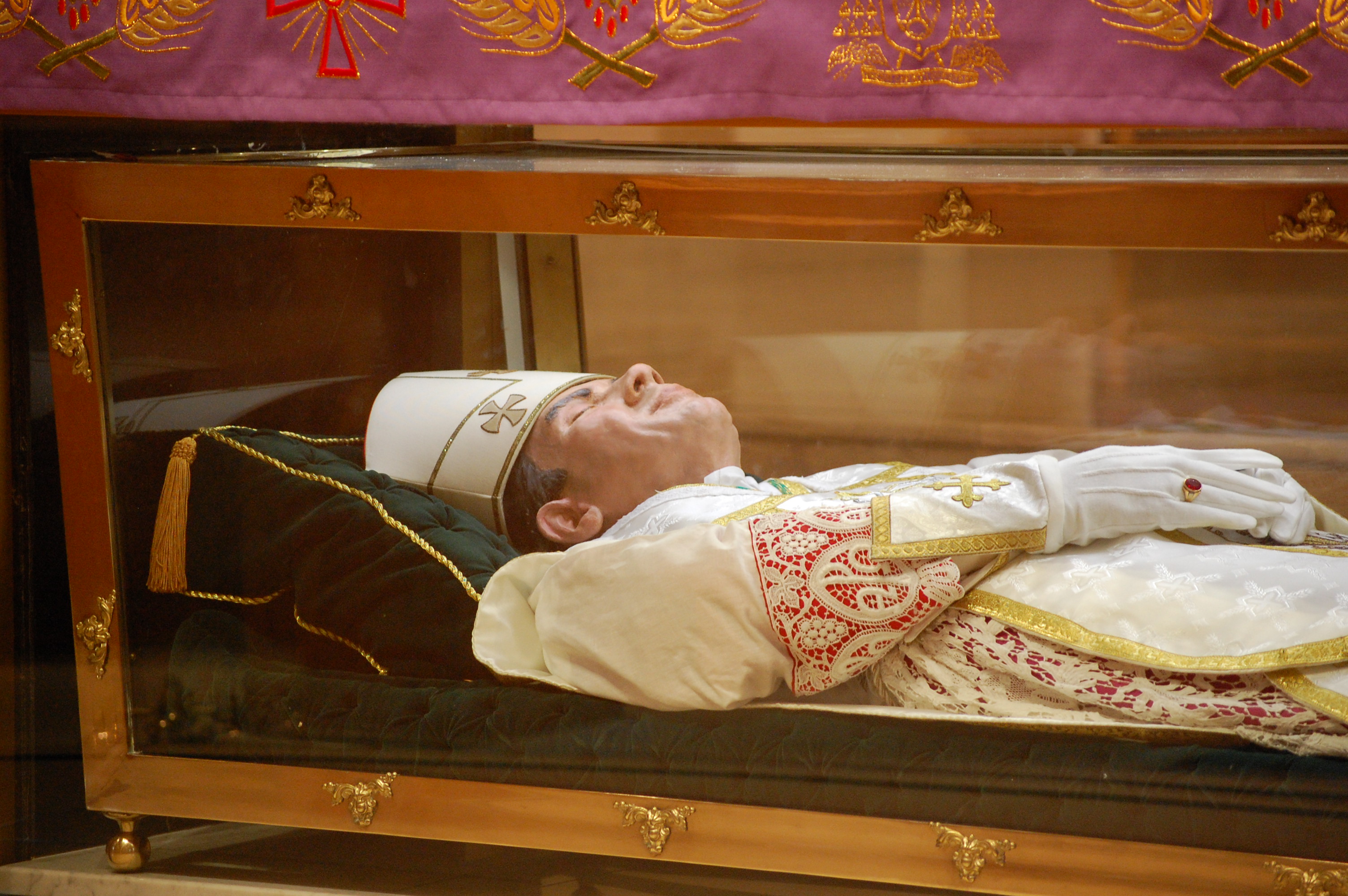
The National Shrine of St. John Neumann, in the spirit of the Redemptorist order, is located at St. Peter the Apostle Church in Philadelphia, Pennsylvania.

DSC_0142

In the lower church, under the altar are the remains of St. John Neumann in a glass reliquary. The upper church is where St. John worshiped.

DSC_0158

St. John was ordained in June 1836 at Old St. Patrick’s Cathedral in NYC.

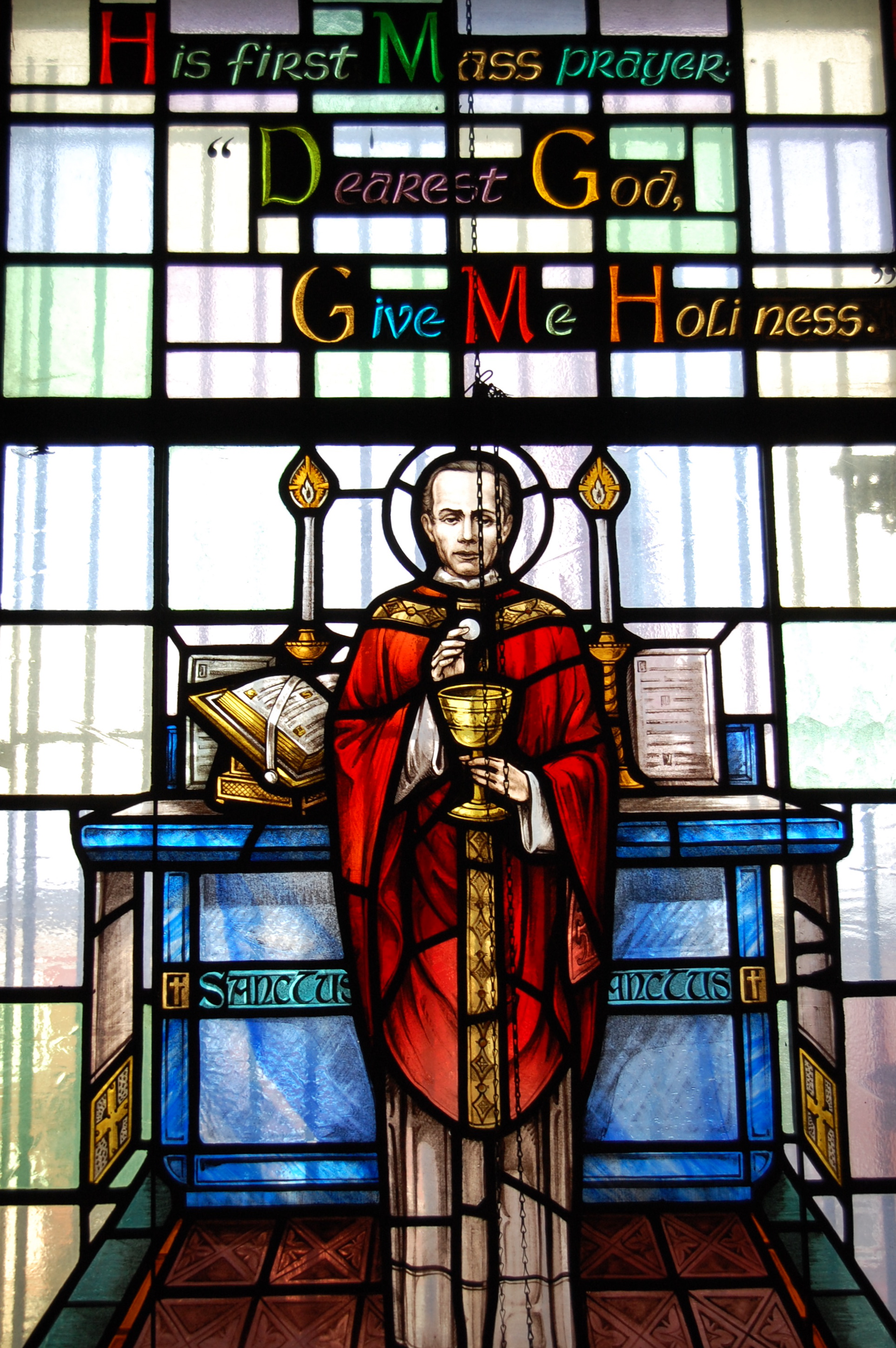
Father Neumann celebrated his First Mass on Sunday, June 26. He wrote home, “Now, my dearest Jesus, I have obtained that for which my soul yearned. What I have always believed so far away, You have now given me.”
DSC_0195

He was assigned to the Buffalo New York region which was a boomtown in the mid and late 1830s with commerce on the Erie Canal and stagecoach routes. Father Neumann made rounds of attend to the sacramental life of about 400 families. A journal entry shows John’s concern for the German immigrants: “They have not received any schooling. They speak German poorly, and English just as poorly. The will soon have to work, and there will be no thought of religious instruction.” This thinking was the start of the Catholic Parochial school system.

DSC_0176

While in Williamsville New York, Father Neumann started the parish of SS’s Peter and Paul, a parish in existance today. He also taught school four hours a day and used his knowledge of botany to make medicines from local herbs.

DSC_0198

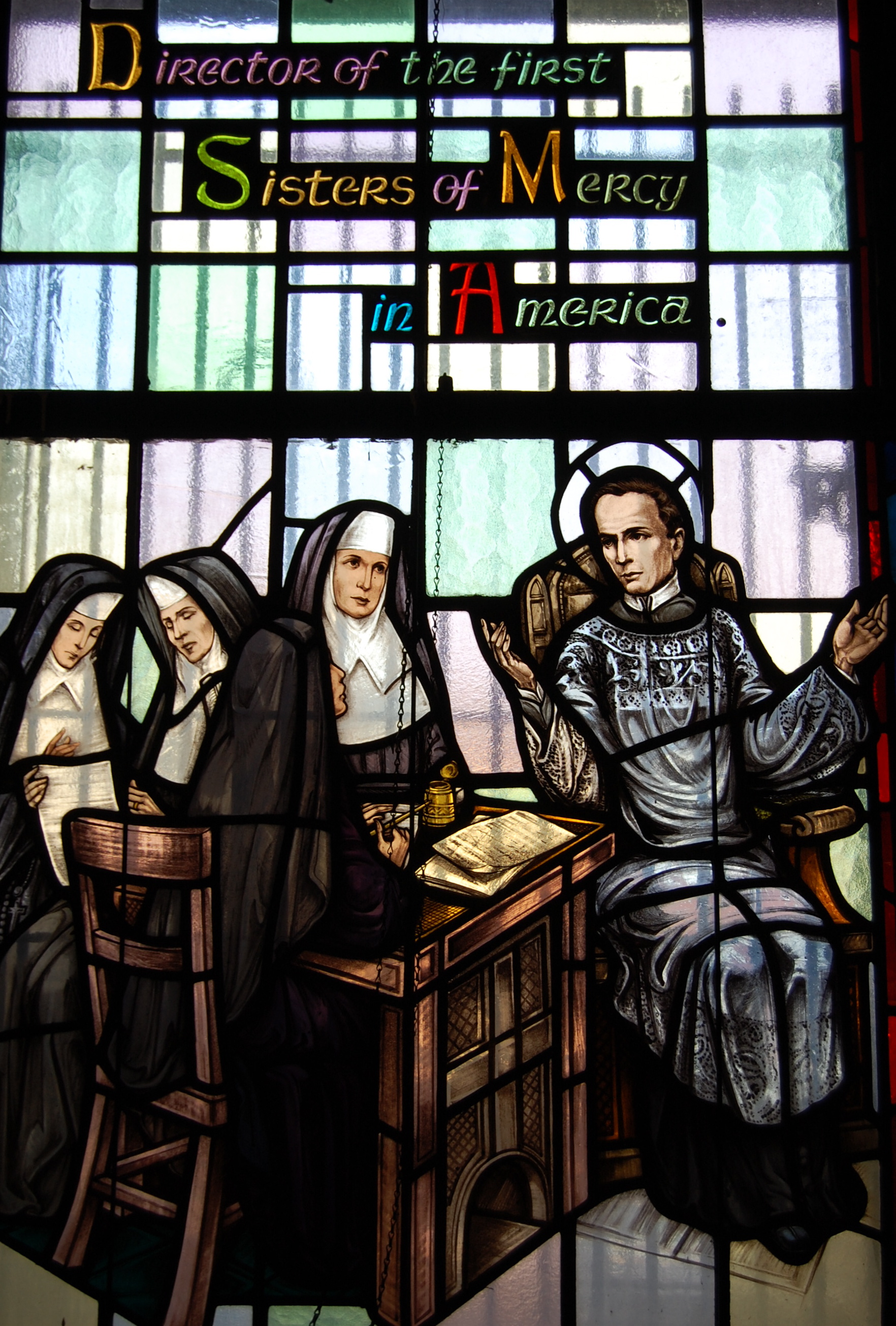
The Sisters of Mercy were instrumental in working with Father Neumann while in the Williamsville New York region. Several of the quotes in this article are from the Sisters research. For more info on the buffalo NY connection see http://jruthgang.wordpress.com/article/st-john-neumann-in-western-new-york-35d4f9dma4dbf-194/

DSC_0185

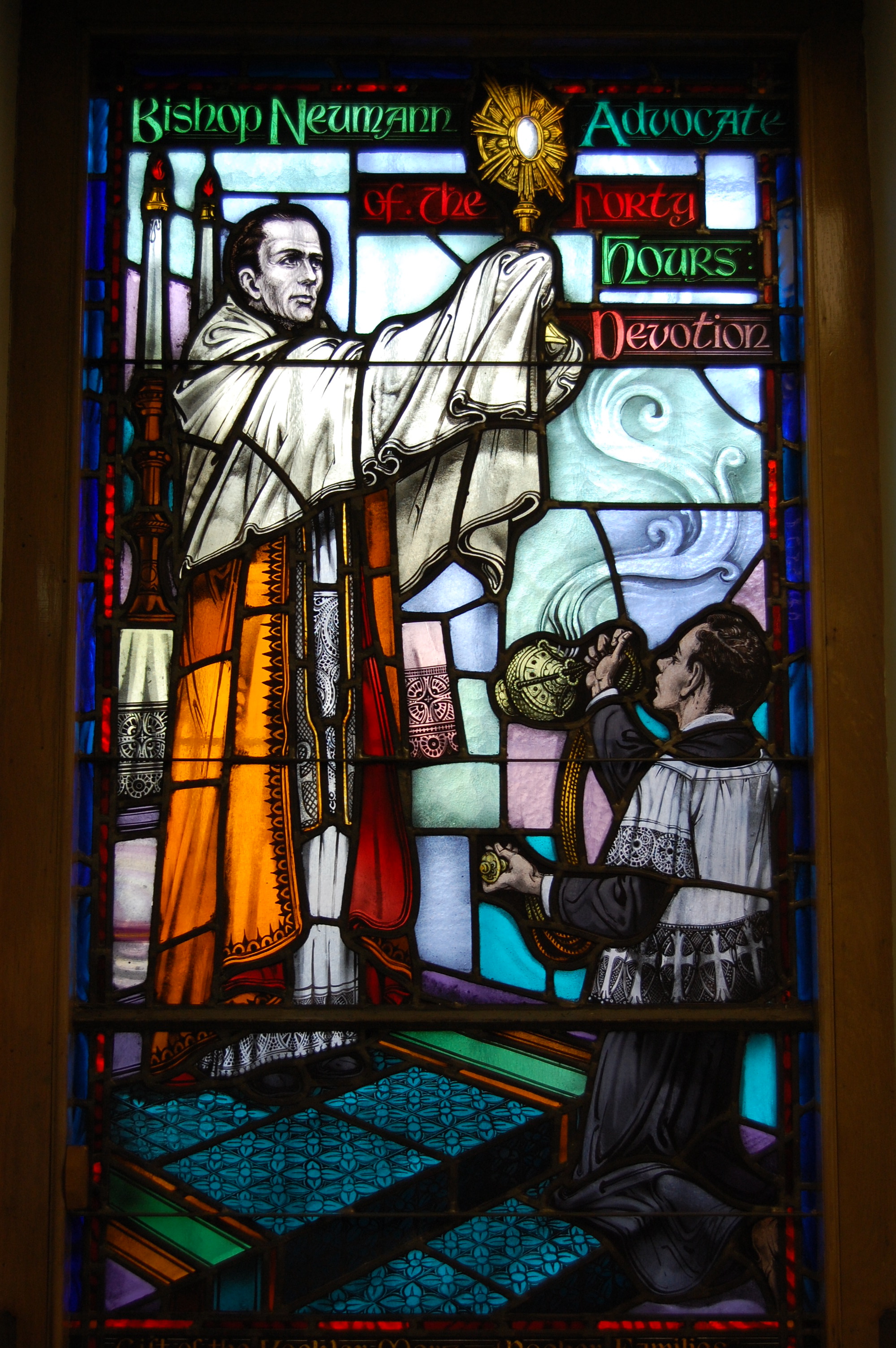
A huge accomplishment for Father Neumann is the starting of the 40 Hours Devotion, practiced worldwide in the Catholic faith.

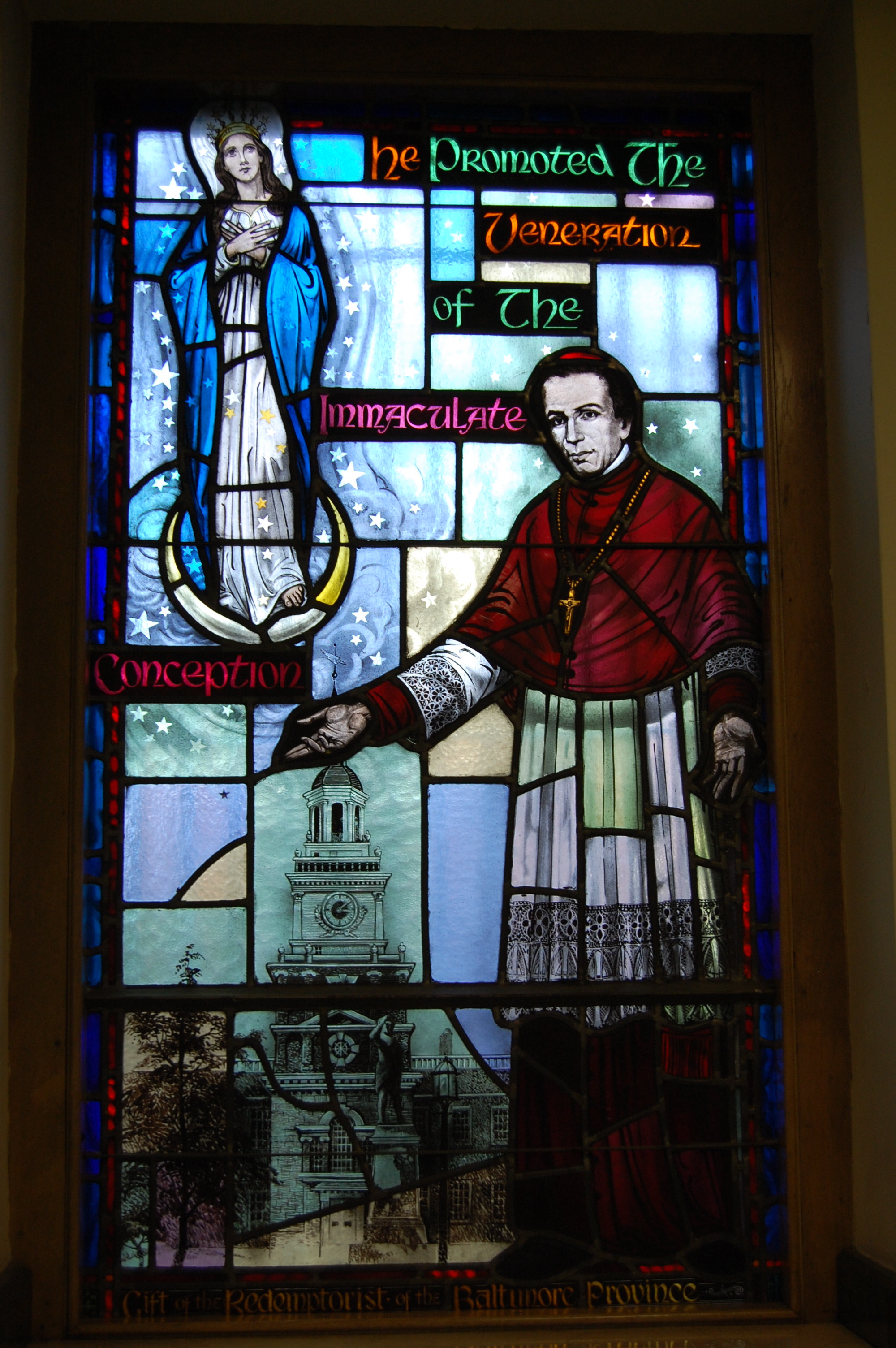
John became the fourth bishop of Philadelphia in 1852. Bishop Neumann was in attendance for Pope Pius IX’s proclamation of the Dogma of the Immaculate Conception.

DSC_0187

Bishop Neumann took up residence at St. John the Evangelist parish in downtown Philadelphia. Also in the 1850’s a young Katharine Drexel received First Holy Communion at St. Johns Church. She later became founder of the Congregation of the Sisters of the Blessed Sacrament, and a saint – St. Katharine Drexel.

DSC_0320_2

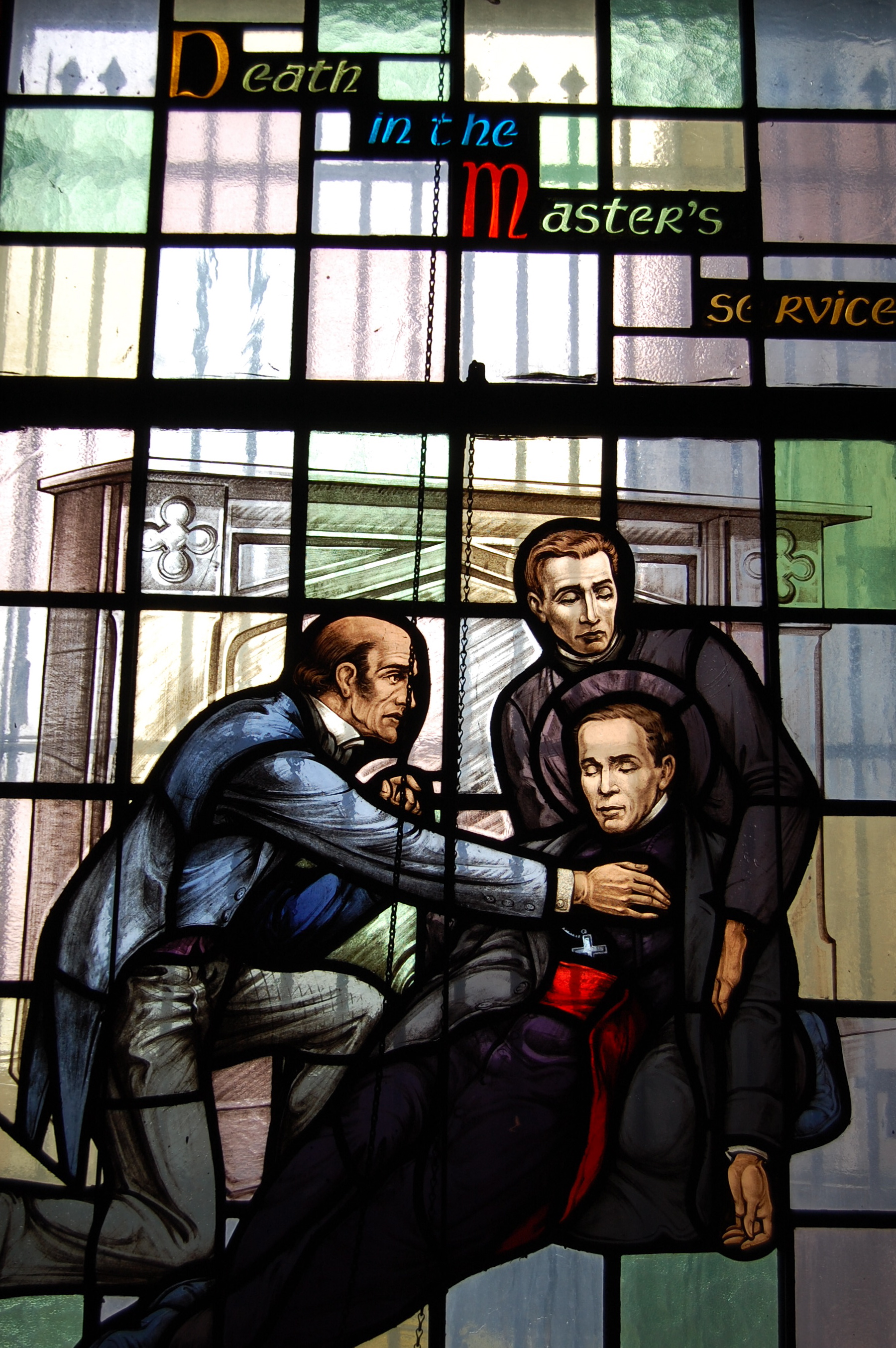
Bishop Neumann passed away in Philadelphia while doing errands on January 5, 1860. St. John collapsed and died due to a stroke, a few blocks from Logan Street, where he was building the Basilica of St. Peter and Paul, the regional Church that stands today. He is a patron of immigrants and of sick children.

DSC_0206

“A man must always be ready, for death comes when and where God wills it.” – Saint John Neumann

For more information, see:

http://www.stjohnneumann.org/index.html

St. John Neumann

St. Elizabeth Ann Seton Shrine

04 Friday Jan 2013

Posted by Brian in Parish Shrines, Saints, Shrines of Philadelphia

≈ Leave a comment

Tags

Saint Elizabeth Ann Seton, Shrine

building
The National Shrine of Elizabeth Ann Seton is located in Emmitsburg, Maryland, roughly two hours from Philadelphia. Her feast day is January 4th.

Picture of elizabeth ann seton
Elizabeth Ann Seton is the first American born saint, born in New York City on August 28, 1774. She was born to into an Episcopal family, her mother was the daughter of an Episcopal minister. Elizabeth Ann Bayley, (her maiden name) married William Seton and had five children. William died in 1803 leaving Elizabeth a widow. Her home in NYC is now the Shrine of Elizabeth Ann Seton.

IMG_2256
She converted to Catholicism and founded the Sisters of Charity of St. Joseph’s, the first Catholic religious order to originate in the United States, which after her death became linked with the Daughters of Charity of St. Vincent de Paul. As the name suggests the Daughters of Charity follows the rule of the Vincentian religious order. Therefore, you’ll find several miraculous medal icons on the Emmitsburg campus, influenced by the Vincentians in nearby Philadelphia, who manage the Miraculous Medal Shrine.
IMG_2260
There are over 200 stained glass windows at the shrine.
2012 altar cannonization celebration
Above photo from the 37th anniversary of Saint Elizabeth Ann Seton’s canonization. (September 14, 1975)
For more information visit,
http://www.setonheritage.org

A forest path and a favorite rock: Our happy discovery of the stomping grounds of a saint


http://acatholicview.blogspot.com/2013/01/st-elizabeth-ann-seton.html#links

St. Basil the Great

02 Wednesday Jan 2013

Posted by Brian in Parish Shrines, Saints

≈ 2 Comments

Tags

saints, St. Basil

DSC_0463_2_2

St. Basil the Great, a doctor of the Church. The Georgian iconographer, Niki Chocheli from the former Soviet Republic, enlarged the saints forehead, portraying the expanded mindset of Basil.

“Everybody looks for the good, therefore everyone looks for God.” St. Basil

On this feast day of St. Basil the Great,
the Entrance Antiphon; (Cf. Sirach 44:15, 14)
“Let the peoples recount the wisdom of the Saints,
and let the Church proclaim their praise. Their names will live on and on.”

← Older posts
Newer posts →
Follow @shrinetower

Enter your email address to follow this blog and receive notifications of new posts by email.

Most Recent Posts

  • Orthodox Easter — Same Resurrection, Different Rhythm
  • Theosis: Becoming Like God — “Be Attentive” to Divine Energy
  • St. Basil the Great, the Jesus Prayer, and the Wisdom of the Three Holy Hierarchs
  • From Elijah to Today: The Legacy of Mount Carmel
  • Celebrating St. Basil: Paths to Divine Union and the Essence of Eastern Christianity
  • J.S. Bach – Christmas Oratorio BWV 248

Previous Posts

Tags

Eastern Christianity Gregory of Nyssa music Pope Francis Saint saints Shrine St. Basil St. Ignatius of Loyola St. Vincent de Paul

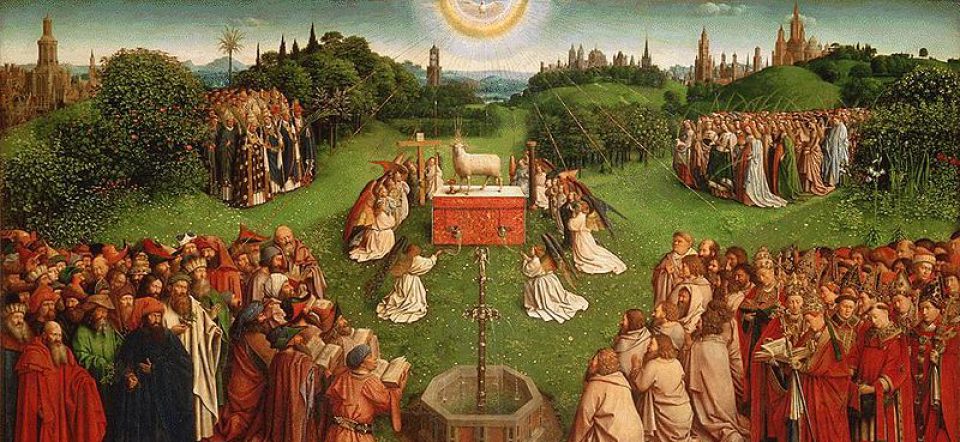
The Cover Art

Jan Van Eyck, “The Adoration of the Lamb” 1432 from the Ghent Alterpiece. Detail: The red altar where the lamb stands reads, “Behold the Lamb of God, which taketh away the sins of the world” and “Jesus the way, the truth, and the life”, both quotes from Gospel of John. In this image and in the book of Revelation the Lamb is Jesus. Directly around the Lamb on the altar are angels who are carrying the instruments in the Passion scenes, like the cross and crown of thorns.

gichontree

Unknown's avatarThere's beauty in sacred spaces; from the stories they tell in architecture, stained glass windows and icons; to the rituals and liturgy that arises our soul. Inside a shrine, the angels and saints praise God with us. I hope to relay the message for the kingdom, power and glory of God, now and forever.

Blog at WordPress.com.

Privacy & Cookies: This site uses cookies. By continuing to use this website, you agree to their use.
To find out more, including how to control cookies, see here: Cookie Policy
  • Subscribe Subscribed
    • Shrine Tower
    • Join 75 other subscribers
    • Already have a WordPress.com account? Log in now.
    • Shrine Tower
    • Subscribe Subscribed
    • Sign up
    • Log in
    • Report this content
    • View site in Reader
    • Manage subscriptions
    • Collapse this bar
 

Loading Comments...